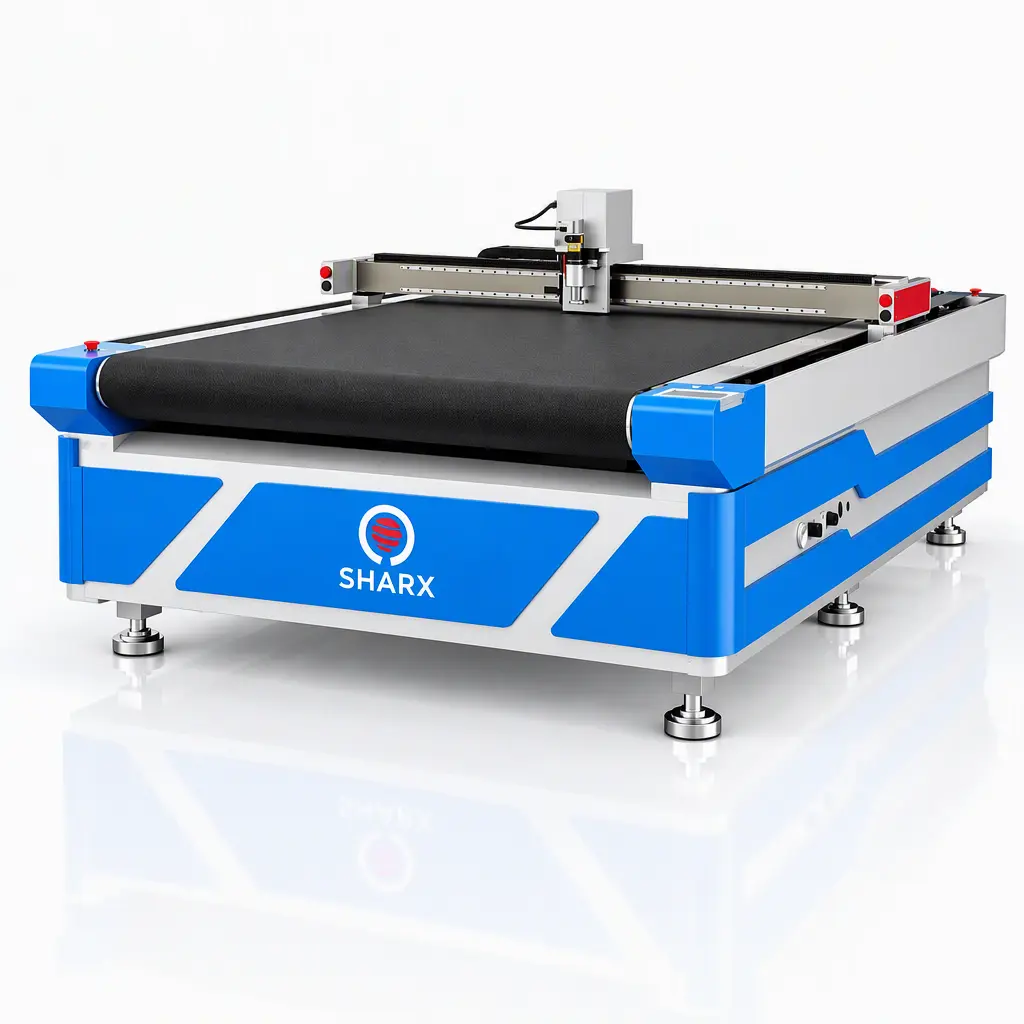
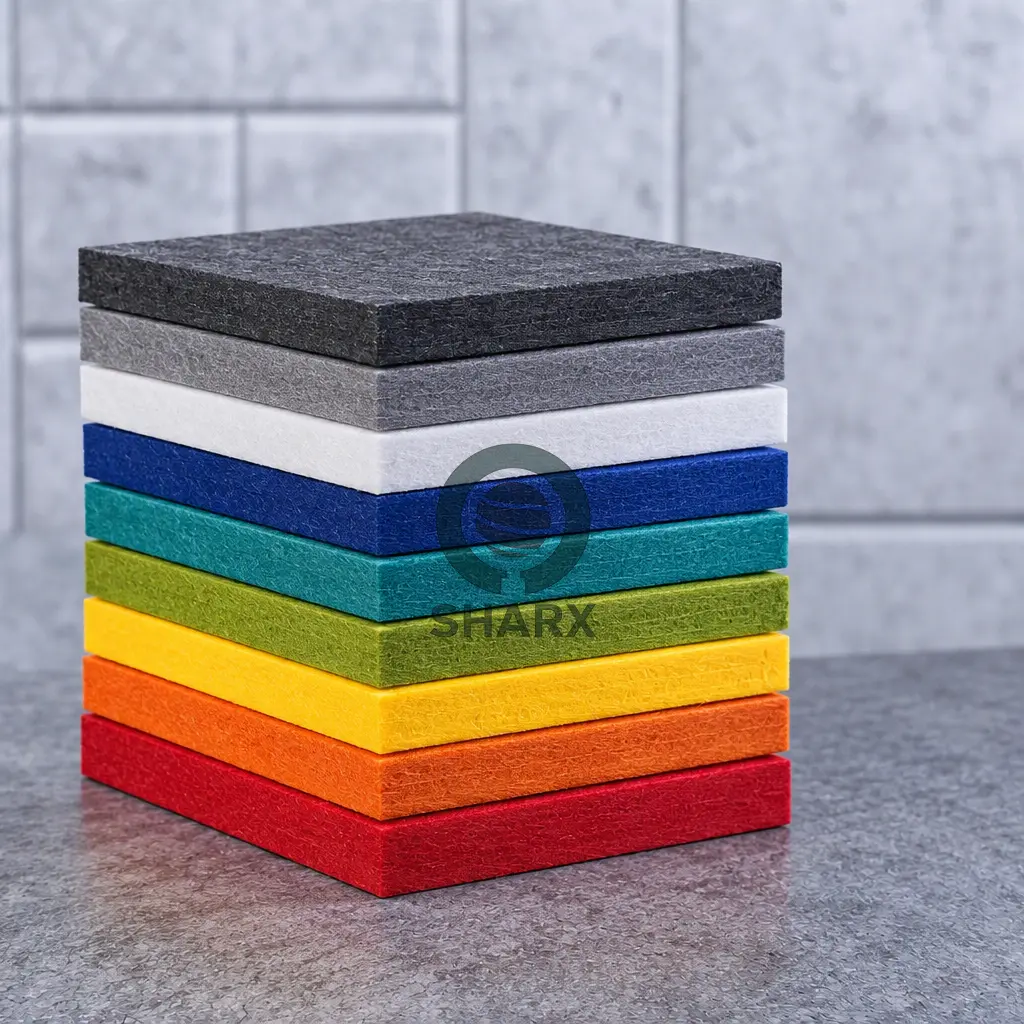
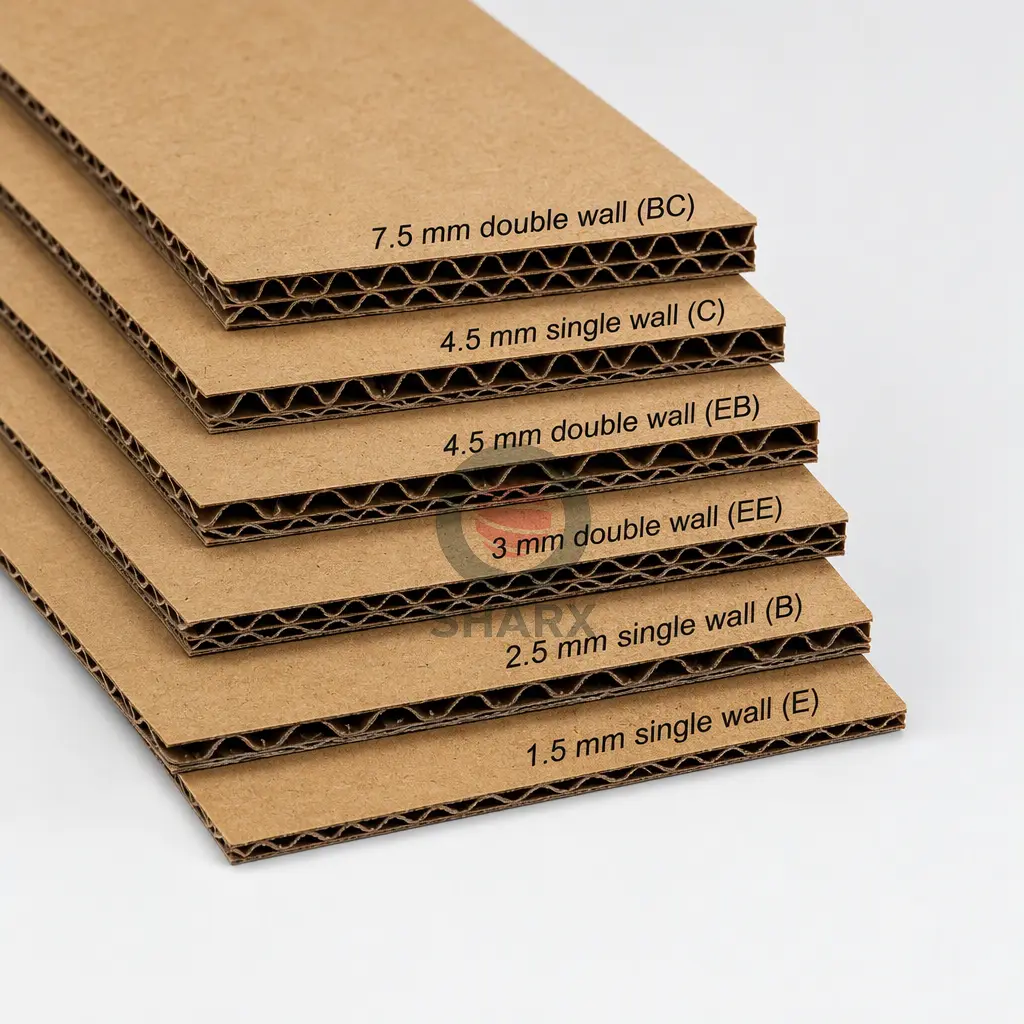
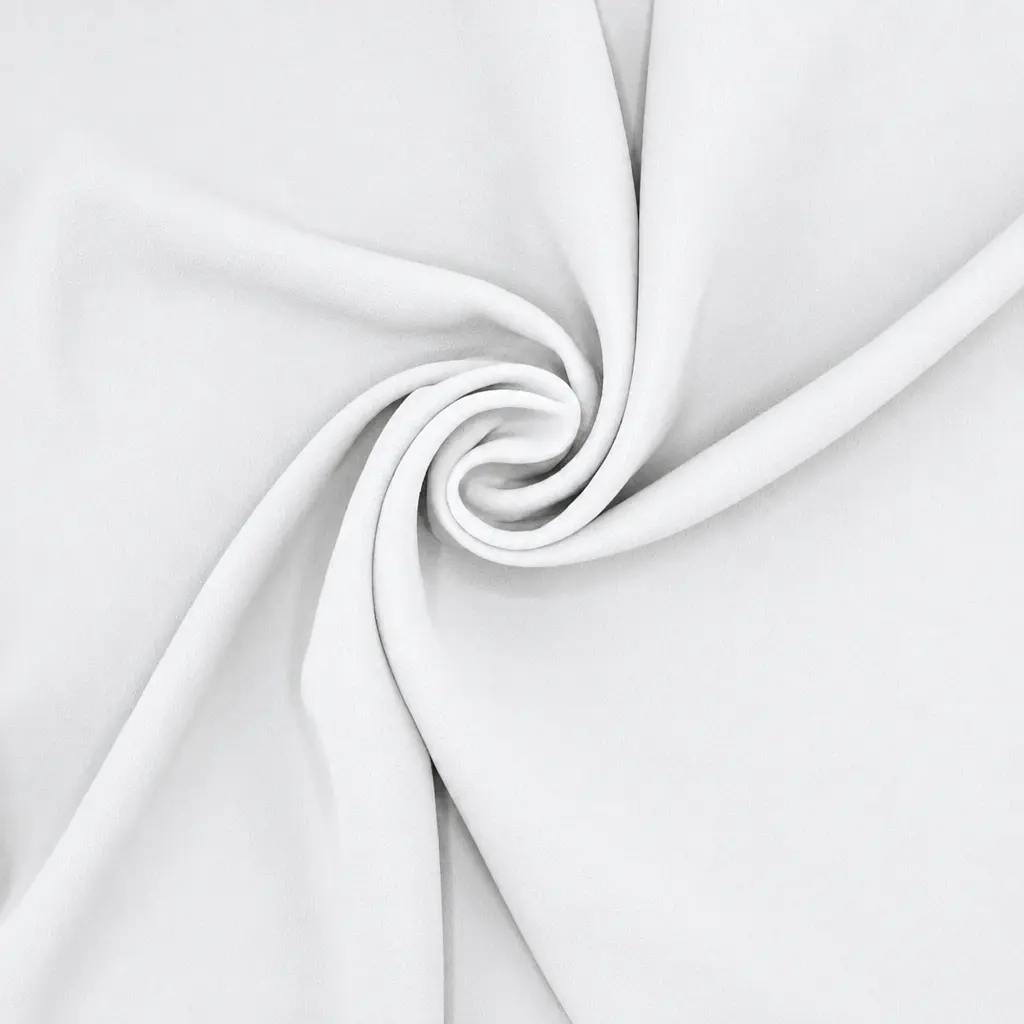
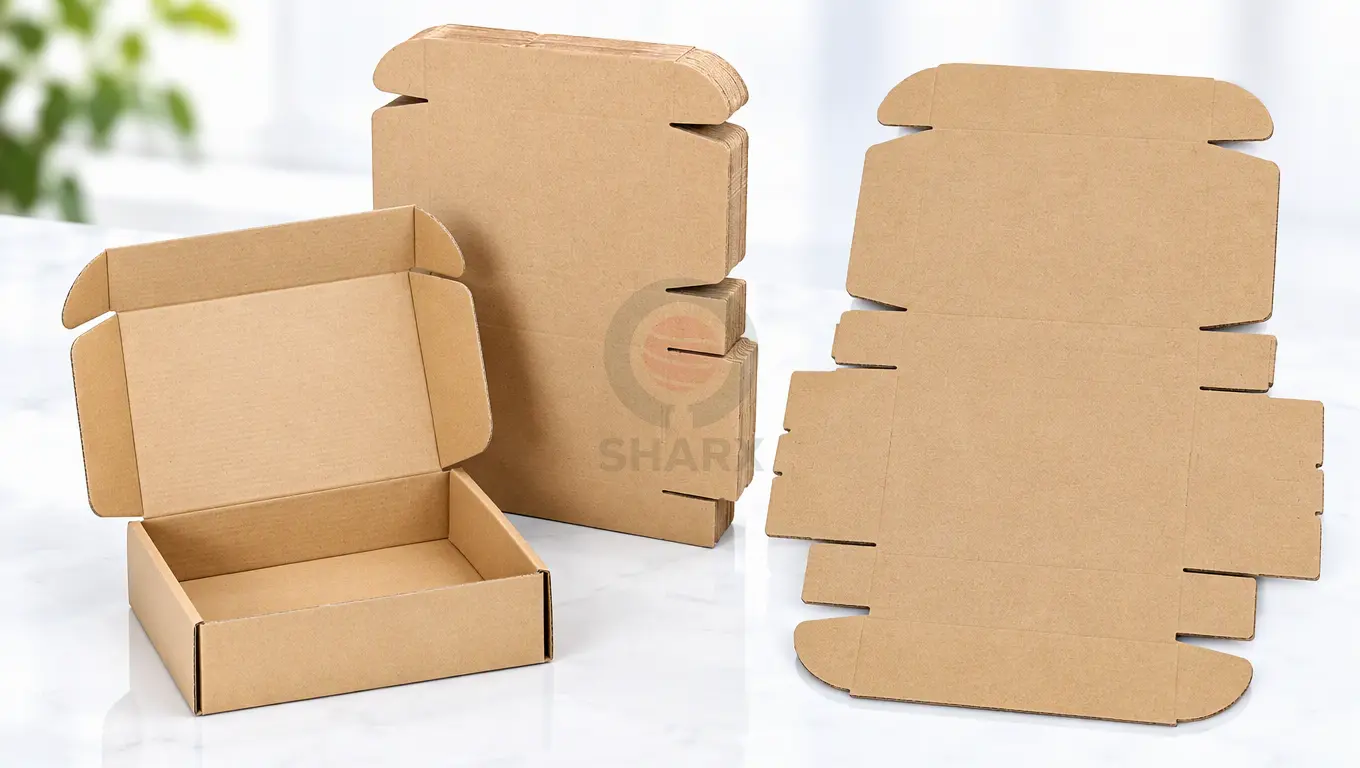
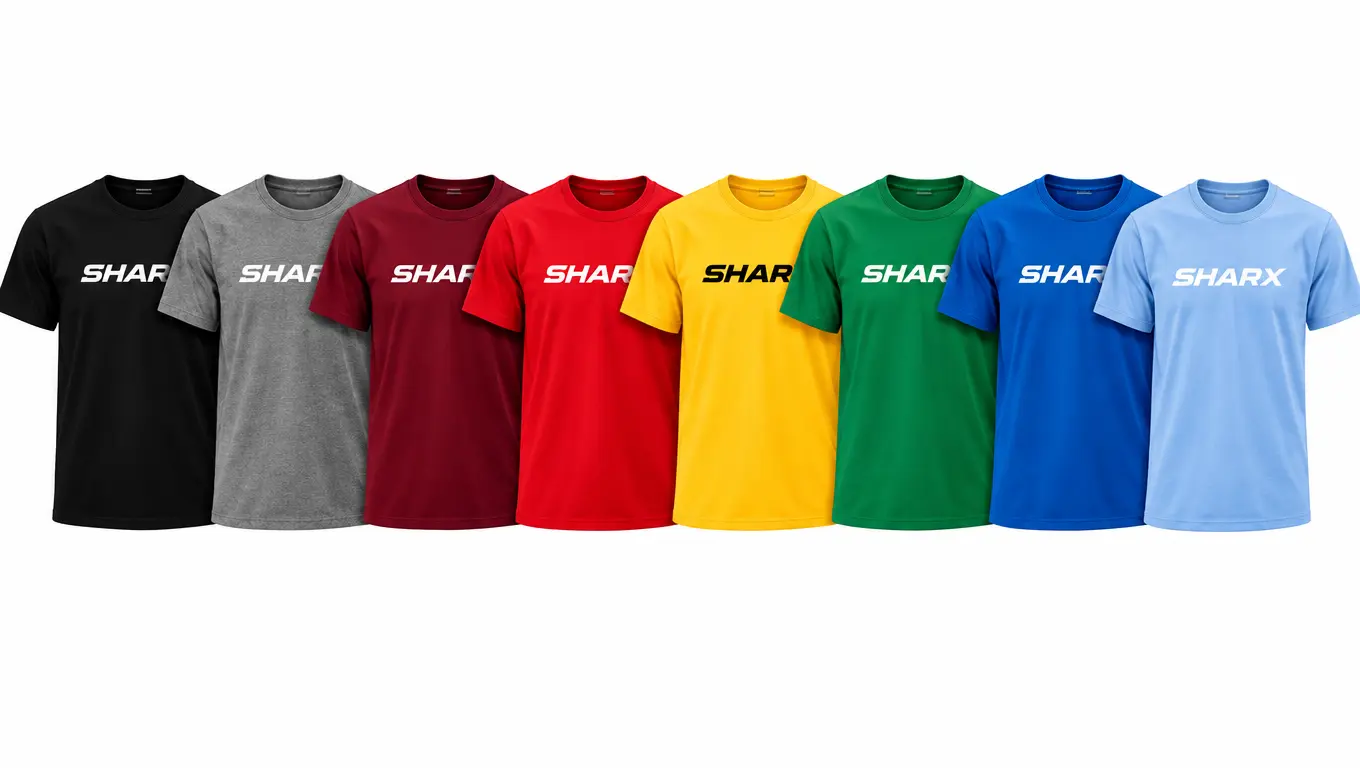
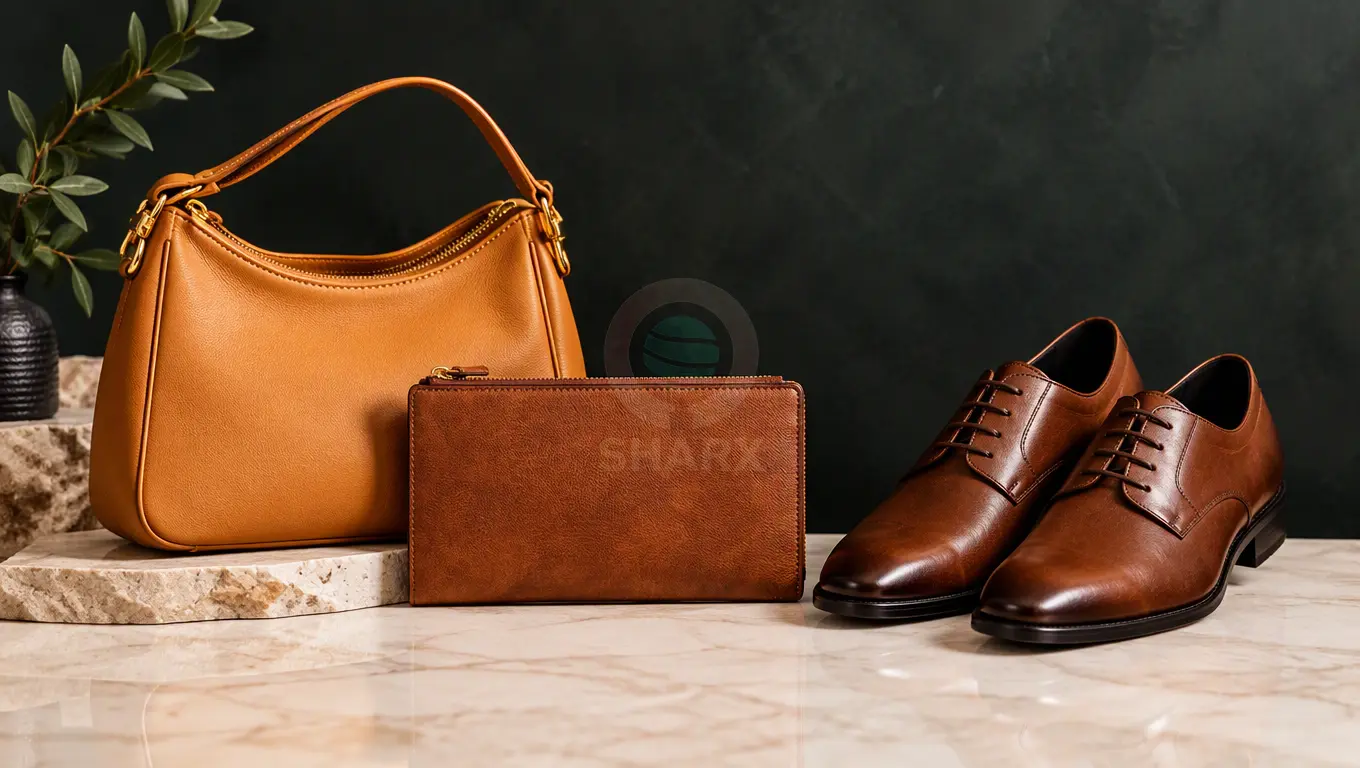
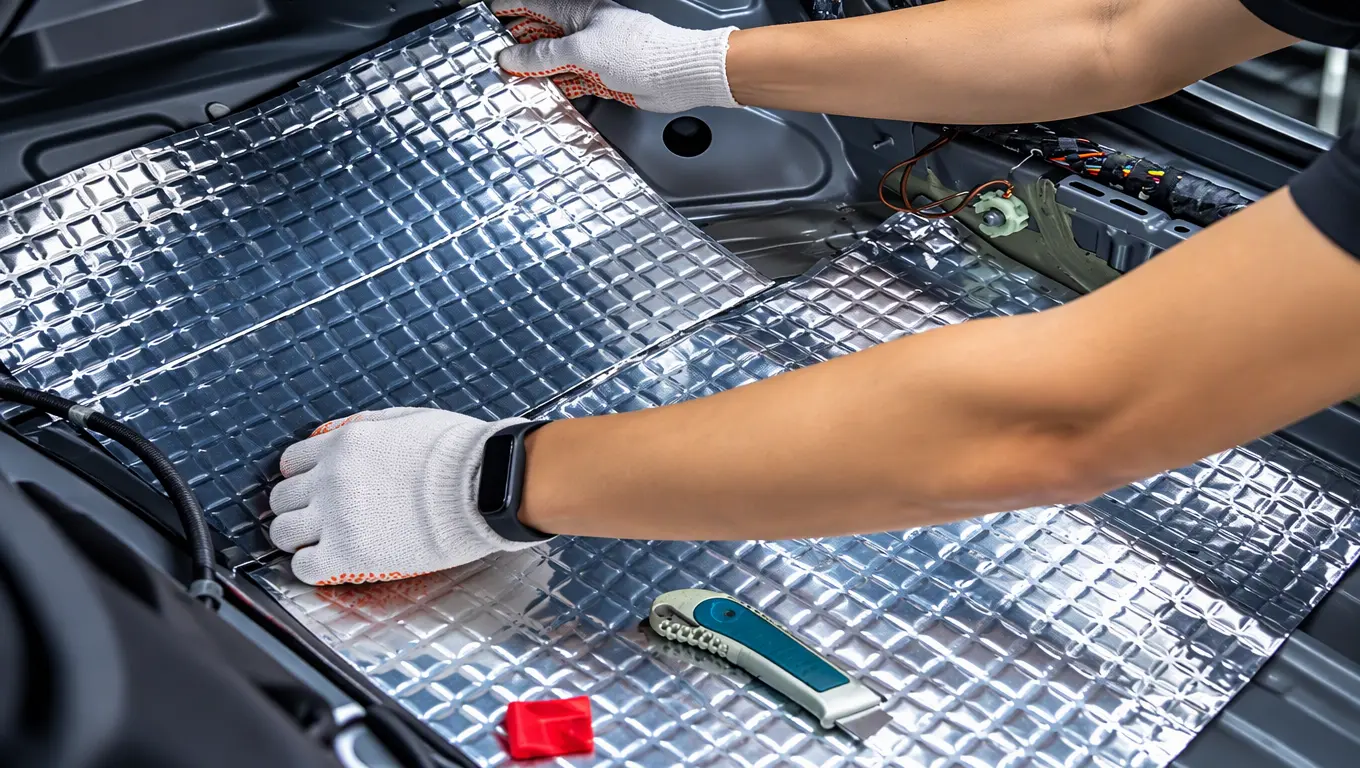
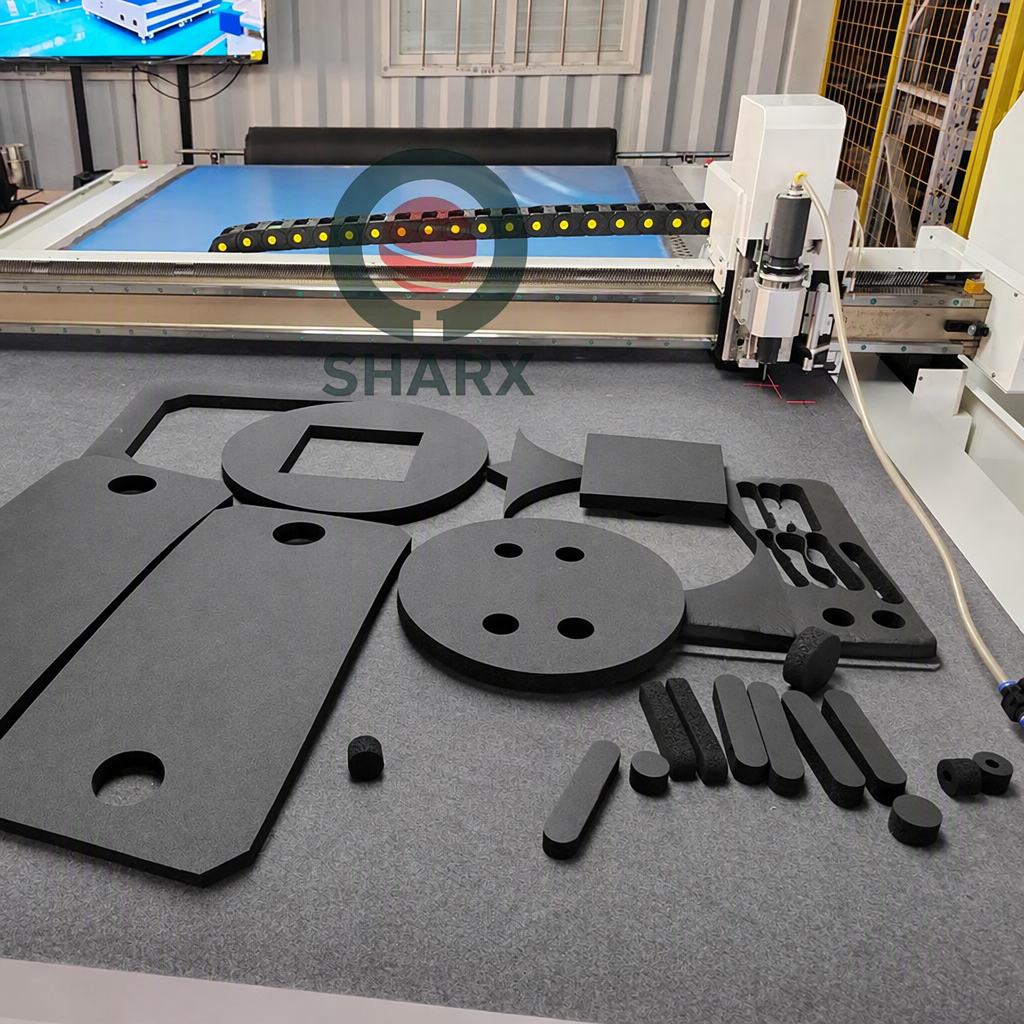
Industrial digital cutting solution for foam, fabric, leather, cardboard,Acoustic panel and other flexible materials with clean and precise cutting.
1600 × 2500 mm working area for efficient cutting flexible materials.
Large Cutting Area for batch production.
Mechanical cutting without heat, burning or melting.
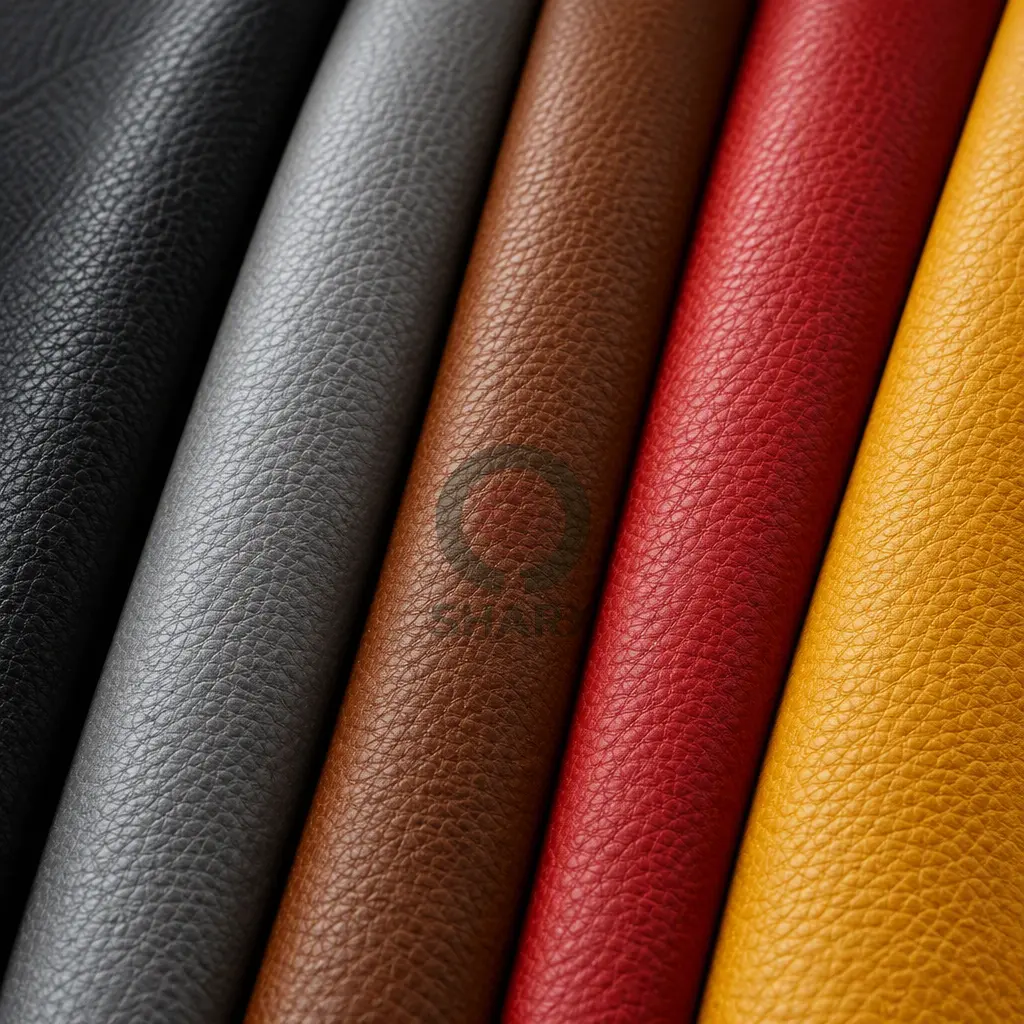
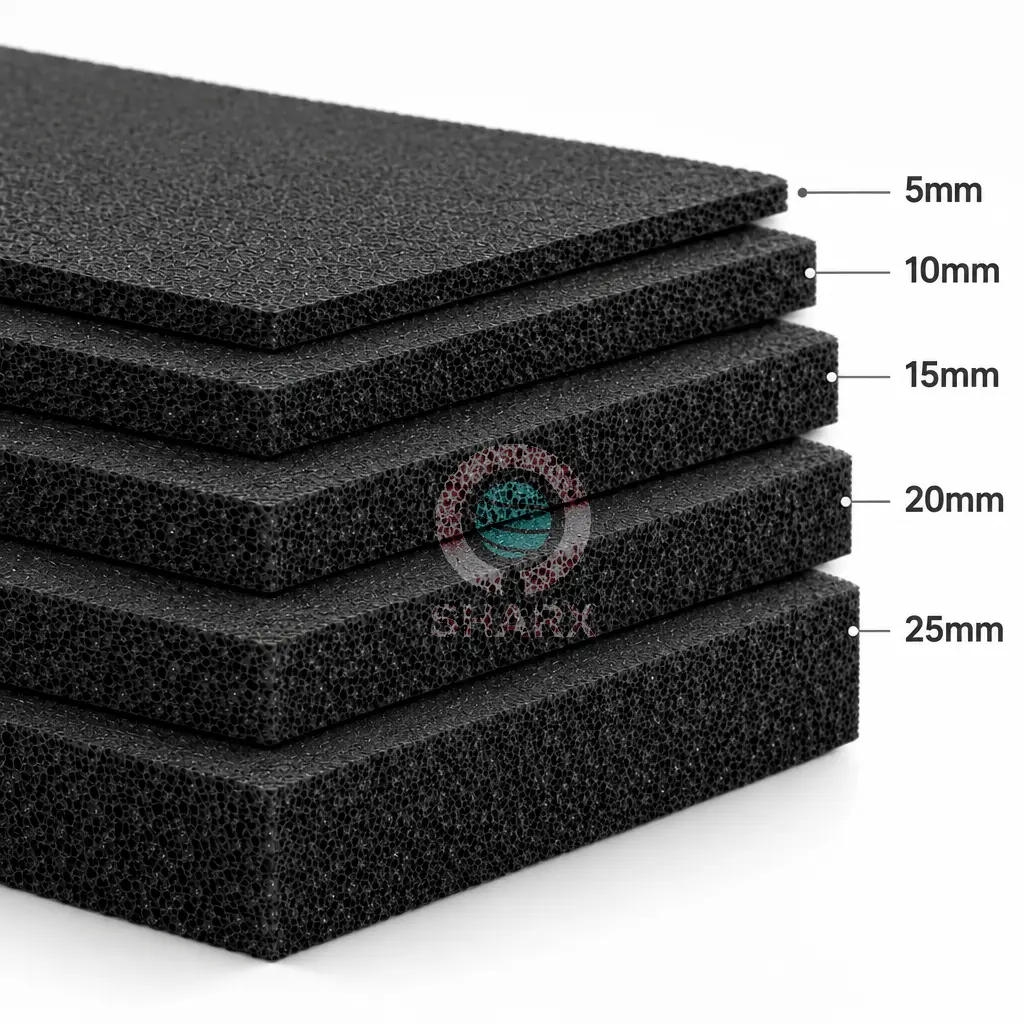
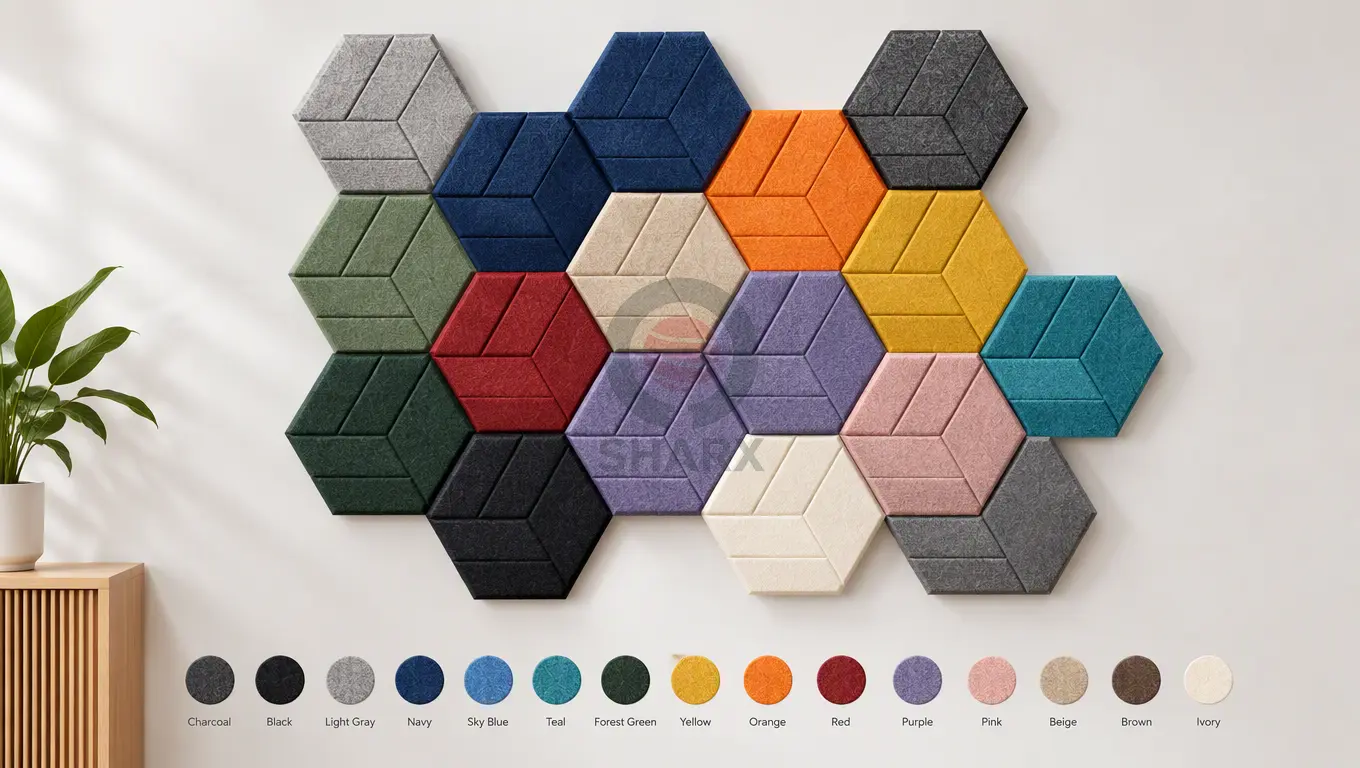
Foam | Fabric | Leather | Cardboard | Acoustic pane l
Create new designs directly from digital files,such as DXF,AI,PLT

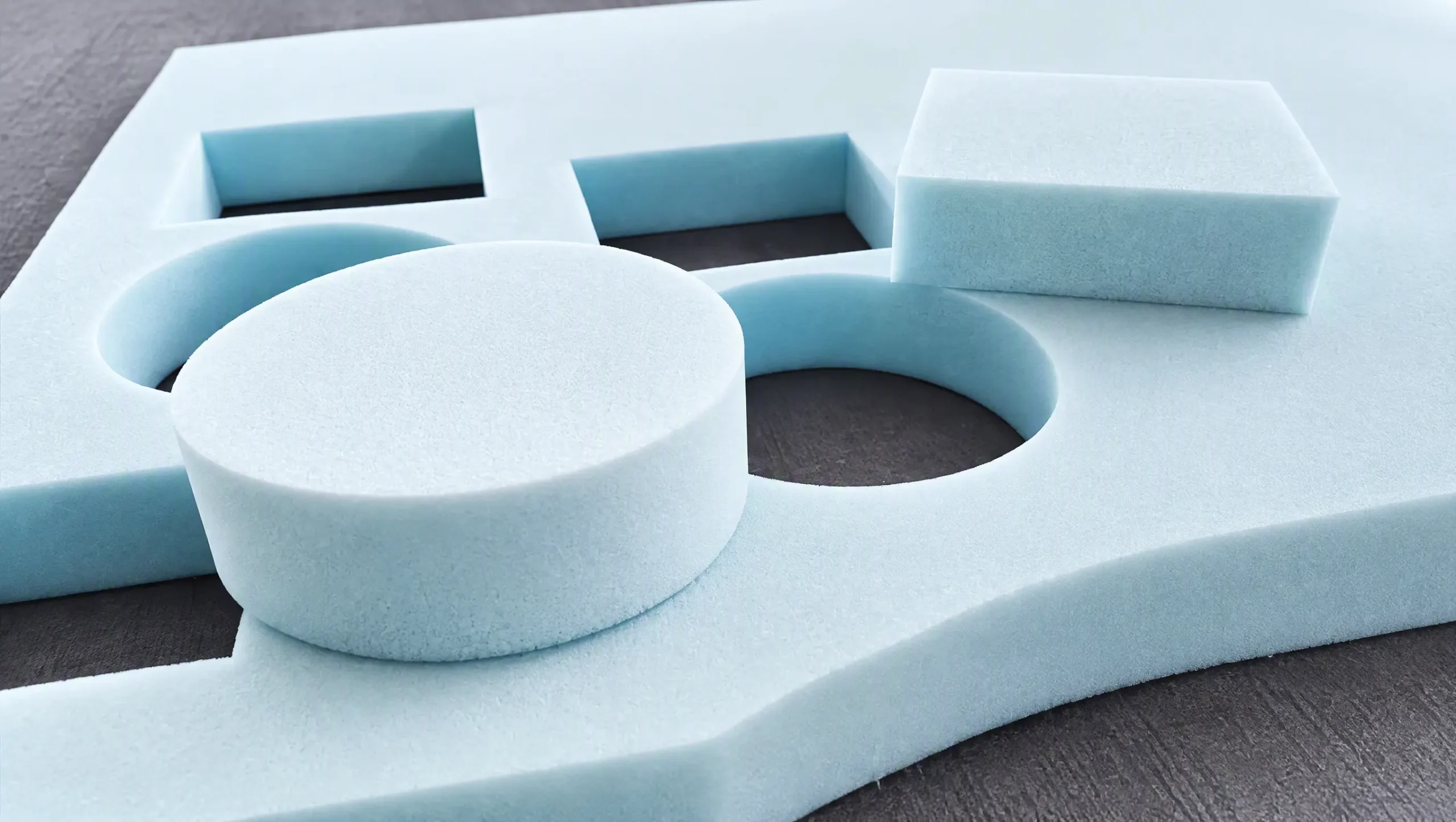
Polyester fiber, felt and foam materials.

Cardboard, honeycomb board and packaging prototypes.

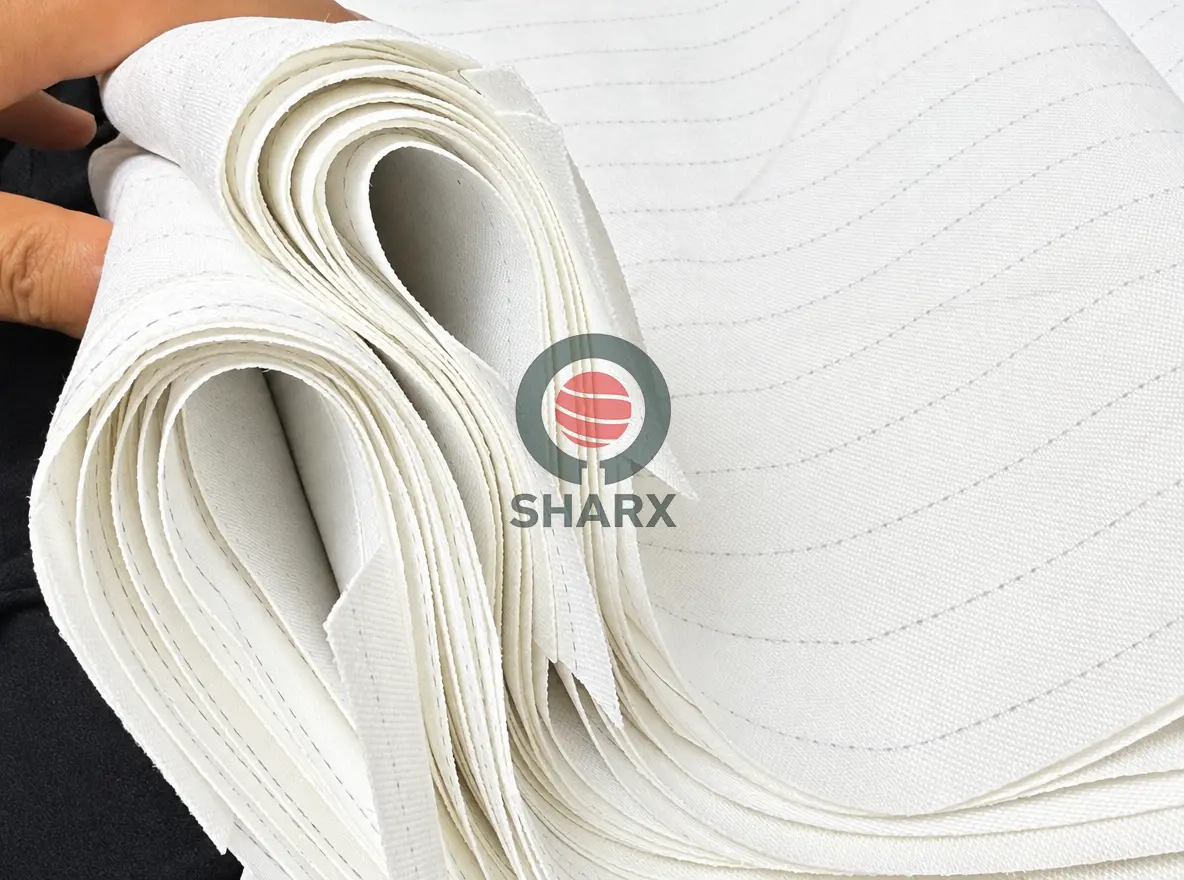
Fabric, felt, canvas and non-woven materials.

Leather, PU leather and upholstery materials.

Interior materials and insulation products.

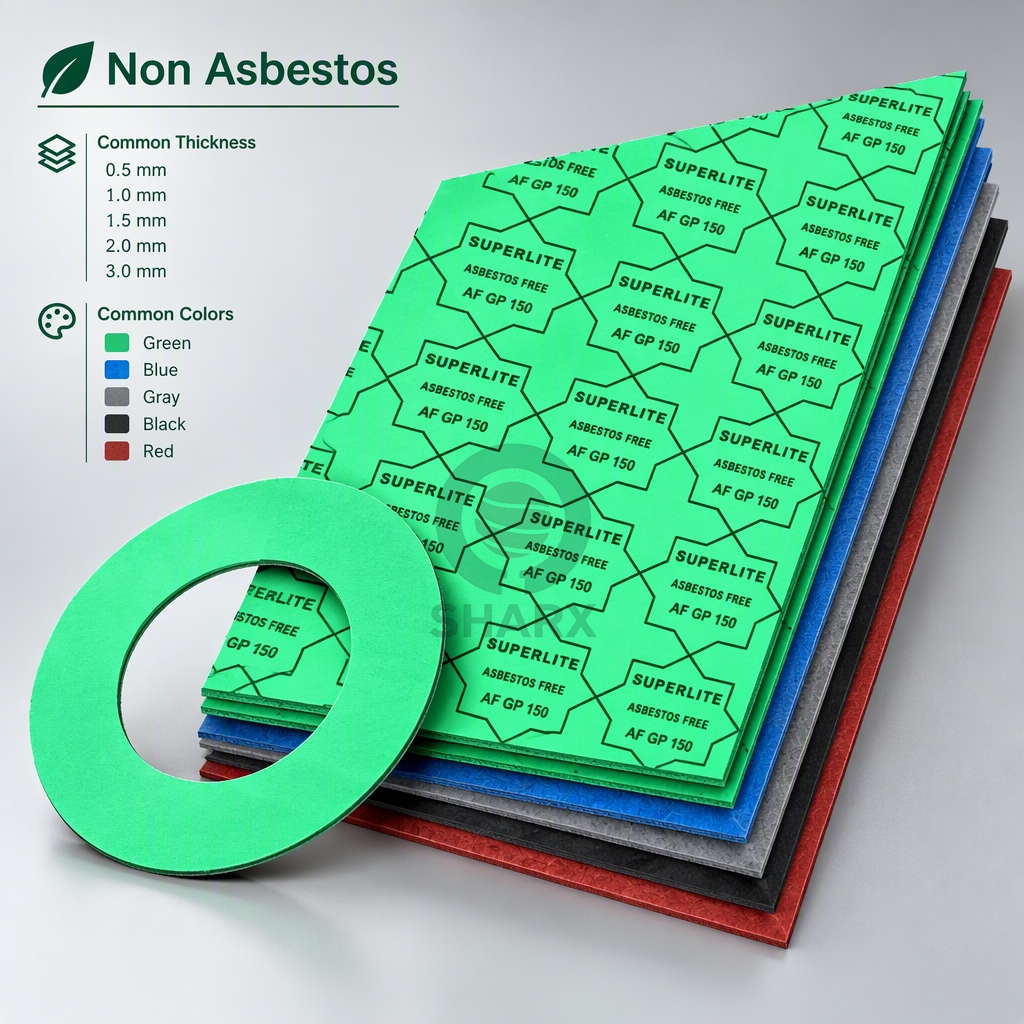
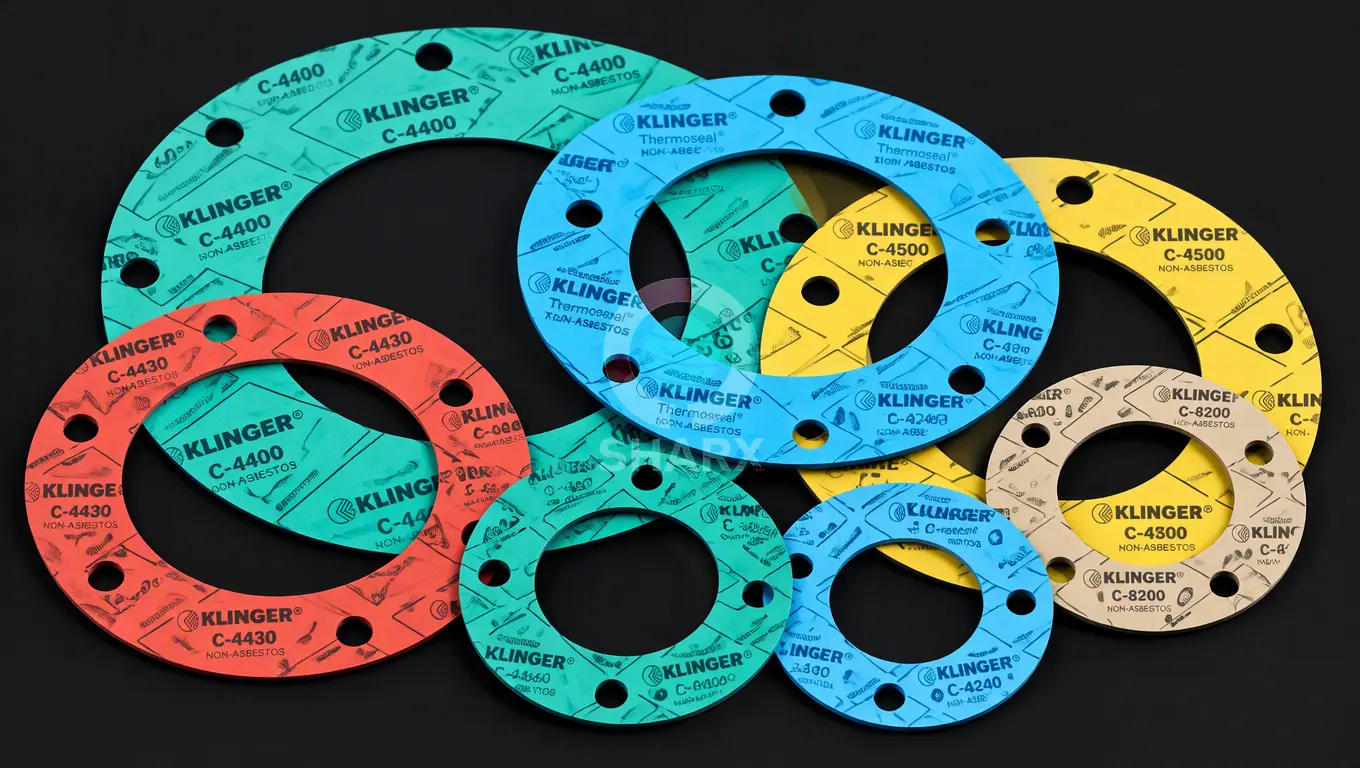
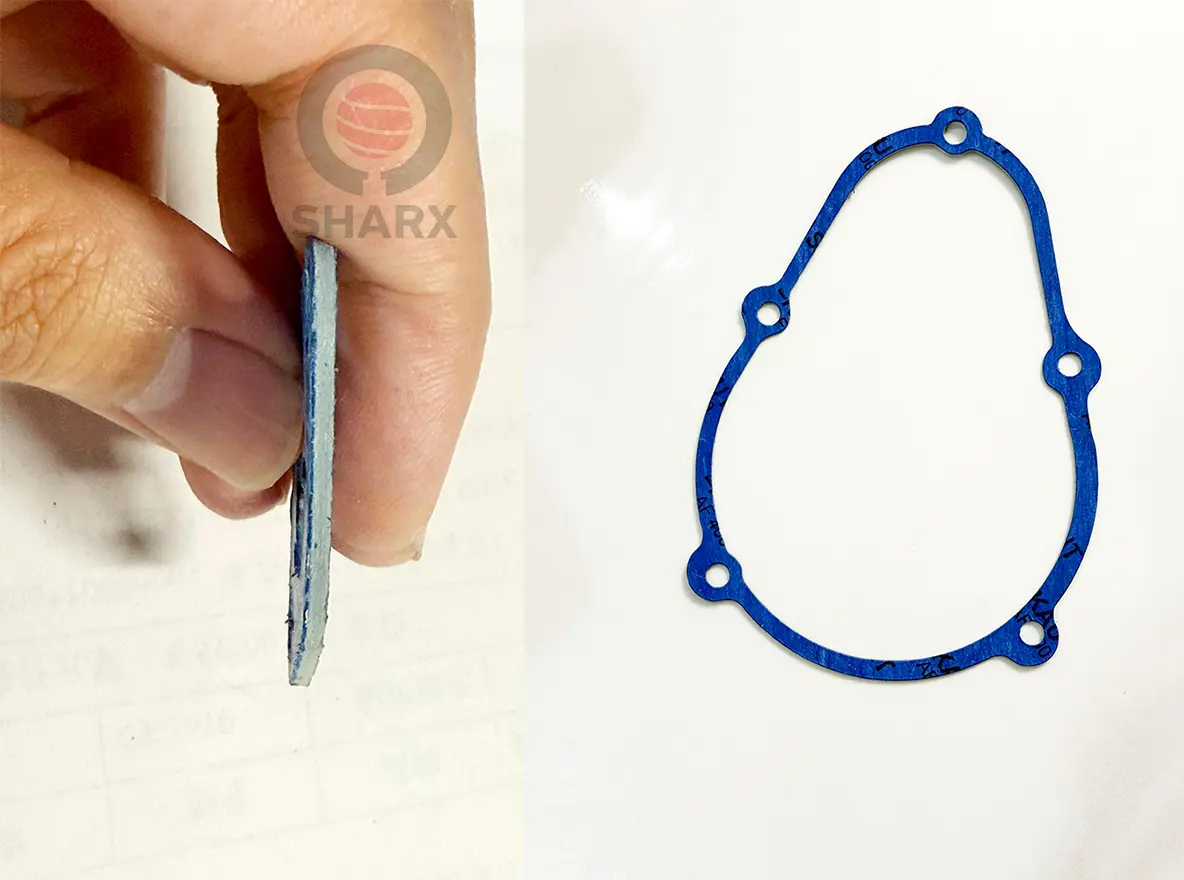
Rubber, gasket and composite materials.
Cut fabric, leather, foam, cardboard and other flexible materials.
Oscillating knife cutting without burning, melting or laser-affected edges.
Designed for fast, repeatable cutting in small-batch and production workflows.
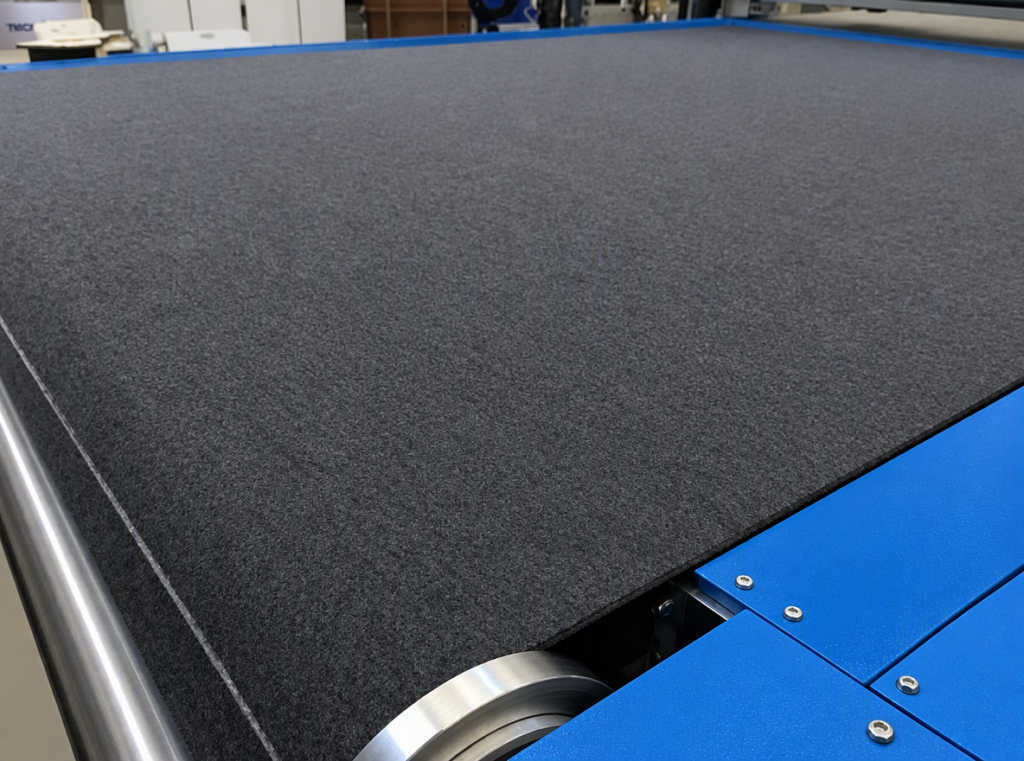
Vacuum table keeps materials securely in place during cutting.
Review standard equipment, technical details and available upgrades for each model.
| Item | Description |
|---|---|
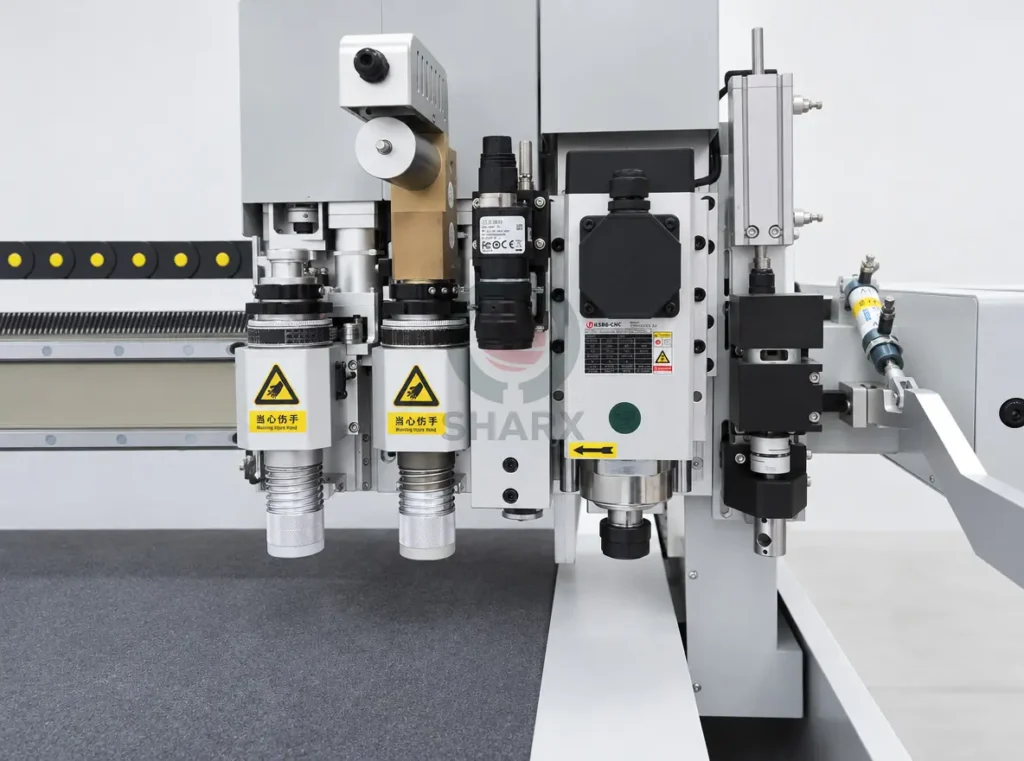
| Cutting Head | Electric Oscillating knife cutting head with automatic up/down movement |
| Tool System | Interchangeable cutting tools for different materials |
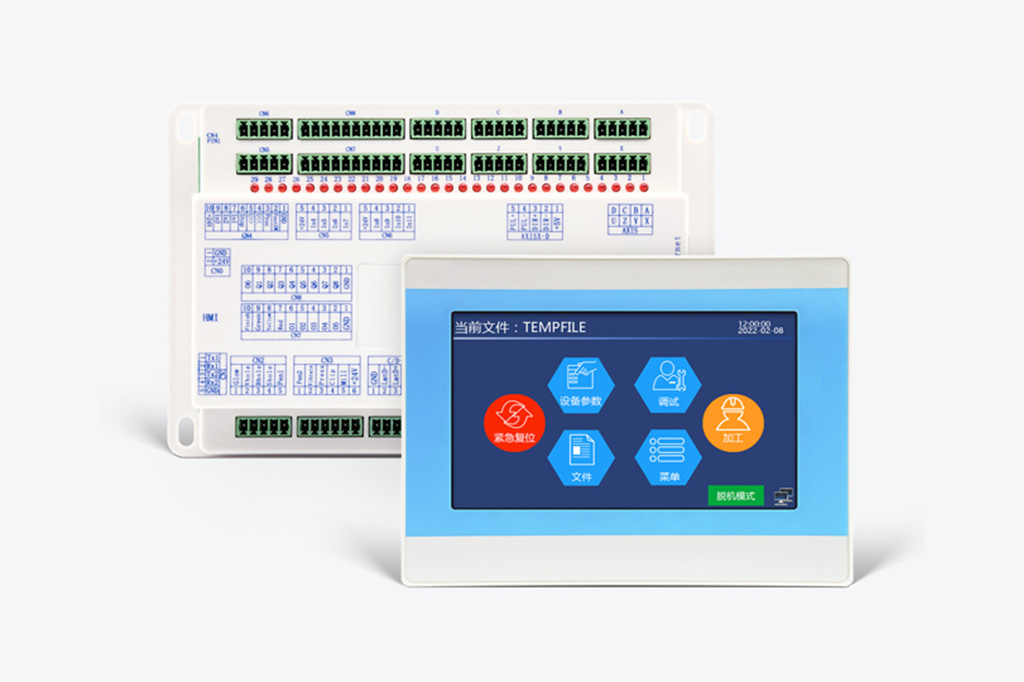
| Control System | Industrial CNC controller with digital cutting software VcutWorks |
| Drive System | High precision Delta servo motors system |
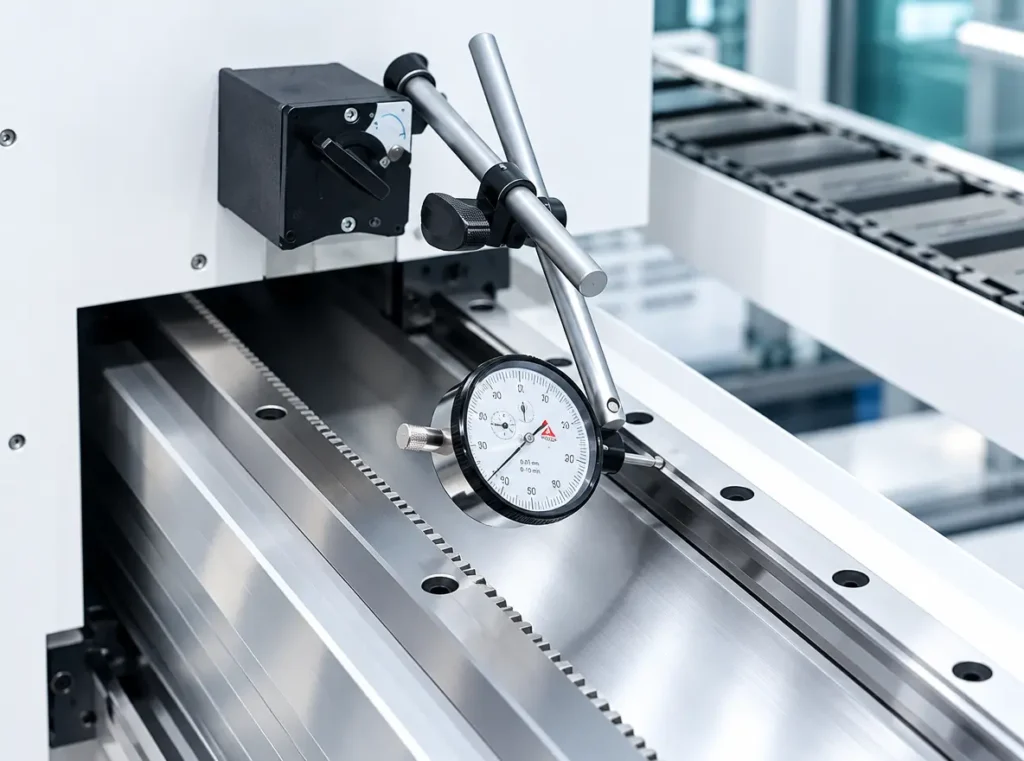
| Transmission | Rack and pinion / linear guide system |
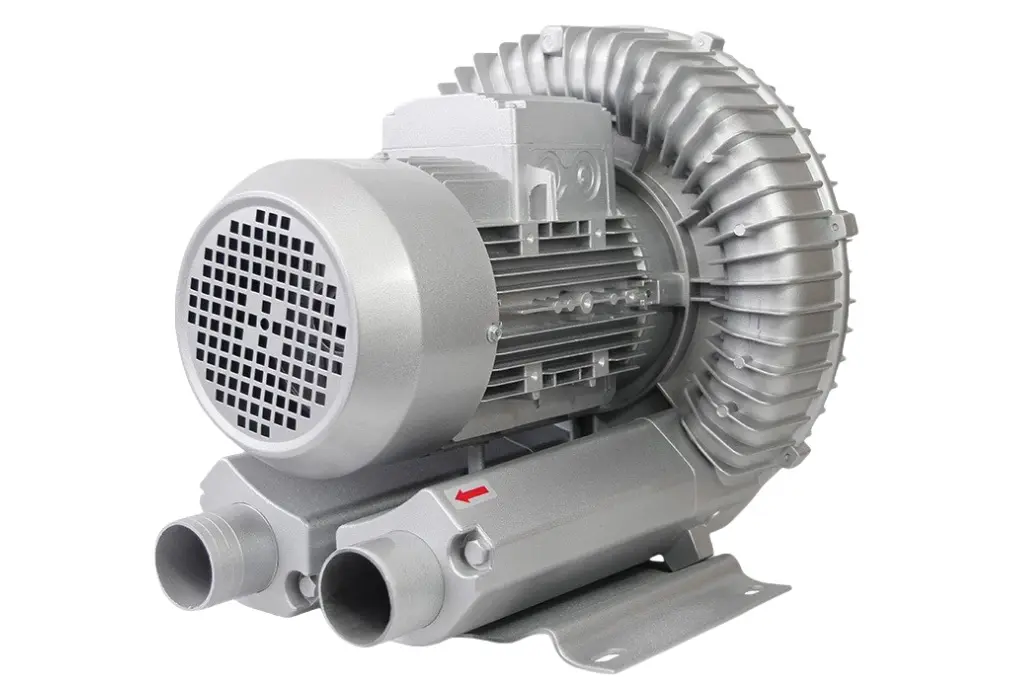
| Working Table | 9KW Vacuum table for stable material fixing |
| Material Fixing | Vacuum adsorption system prevents material movement |
| Software | Compatible with DXF, AI, PLT and other design formats |
| Safety System | Emergency stop, protection sensors and safety functions |
| Item | Specification |
|---|---|
| Working Area | 1600 × 2500 mm (Other options like 1600x1000mm,1800x2500mm,2100x2500mm and more sizes are available) |
| Cutting Tool | Electric Oscillating Knife |
| Cutting Speed | Up to 1500 mm/s |
| Cutting Accuracy | ±0.1 mm |
| Material Thickness | Up to 50 mm (depending on material) |
| Drive Motor | Delta Servo motor |
| Vacuum Pump | 9 kW |
| Power Supply | AC 220V / 380V |
| Machine Size | 3380*2170*1300 mm,1060KG |
| Software | Digital cutting software VcutWorks |
Advanced vision system for automatic positioning and contour cutting of printed materials, improving cutting accuracy and production efficiency.
Available options:
Specialized camera and software system for automatic recognition and cutting of irregular genuine leather shapes.
Projects cutting layouts and positioning information onto the working area, helping operators quickly locate materials and improve workflow efficiency.
Upgraded motion control system with Panasonic servo motors for higher precision, smoother operation and improved stability.
Extended collection platform for receiving finished parts after cutting, improving continuous production efficiency..
Available extensions:
Increased working height for processing thicker materials or special applications,maximum 100mm.
Separate machine bed design for large-format machines, making transportation and installation easier.
Additional gantry option for multi-head configurations and customized production requirements.
Optional covering system for multi-layer materials and special production processes.
Single-Ply Automatic Fabric Unwinding System
Automatic fabric unwinding with edge alignment function for continuous and accurate cutting.
8-Ply Automatic Fabric Feeding System
Electric multi-layer fabric feeding system designed for high-efficiency textile cutting production.

Multiple cutting heads can be installed for different production requirements.
Benefits:
High-frequency cutting tool for flexible and semi-rigid materials.
Suitable for:
Higher-power oscillating cutting solution for thicker and harder materials.
High-performance cutting head with servo drive for demanding industrial applications.
Suitable for thin and flexible materials.
Applications:
For creating folding lines on packaging materials.
For V-groove cutting applications.
For continuous cutting of textiles and flexible materials.
For cutting the surface layer without cutting through the backing material.
Includes round punching and V/linear punching tools for hole and perforation processing.
For rigid materials requiring milling processes.
For drawing marking lines or design confirmation.
From Digital File to Finished Product
5 Steps:
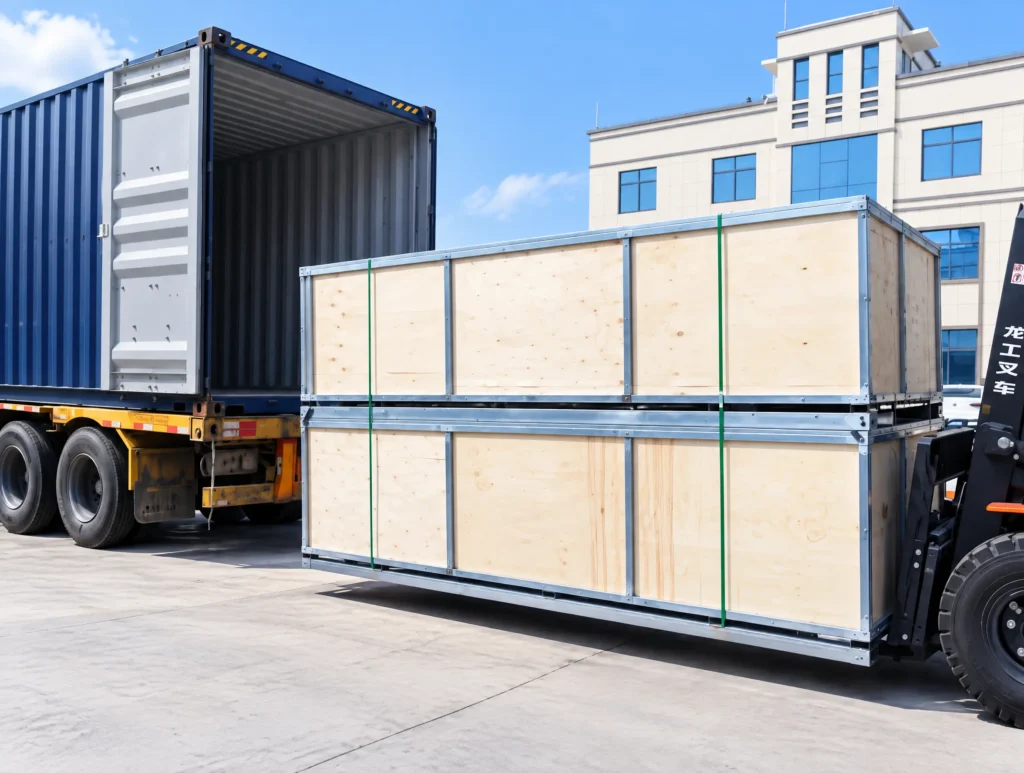
Packaging → Shipping → Delivery
Sea freight
LCL / FCL
DAP / DDP available
12-24 months warranty
Parts coverage
Warranty terms
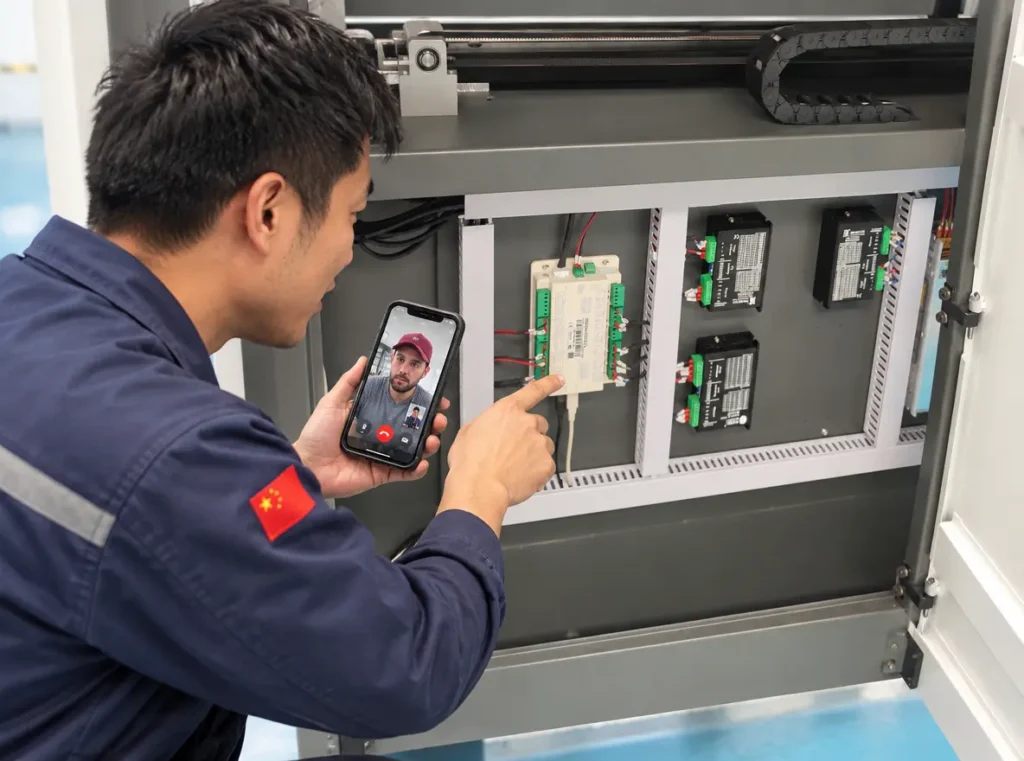
Remote installation
Training
Troubleshooting
Spare parts
Answer:
An oscillating knife cutting machine can cut a wide range of soft and semi-rigid materials, including foam, felt, acoustic panels, cardboard, corrugated materials, leather, fabric, carpet, rubber, gasket materials, and other flexible materials. The suitable blade depends on the material type, thickness, density, and cutting requirements.
Answer:
It can be used for cutting acoustic panels, packaging materials, foam products, leather goods, textile products, carpets, gaskets, insulation materials, advertising materials, and various custom-shaped parts. It is suitable for both prototype production and regular production.
Answer:
The maximum cutting thickness depends on the material, density, hardness, blade type, and cutting method. Different materials require different blades and cutting parameters. For thick or dense materials, we recommend a cutting test to determine the most suitable configuration.
Answer:
Different materials require different blades and cutting tools. For example, straight blades are commonly used for fabrics and flexible materials, while other blade types are available for foam, cardboard, leather, and thicker materials. We can recommend the appropriate tool based on your material, thickness, and application.
Answer:
An oscillating knife cutter uses a mechanical blade, while a laser cutter uses a focused laser beam. Knife cutting is particularly suitable for materials that may melt, burn, or produce unwanted edges when laser cut, such as foam, felt, fabric, leather, and many acoustic materials.
Answer:
Yes. Multiple layers can be cut depending on the material, total thickness, blade type, and required cutting accuracy. For layered cutting, the material must be properly fixed and the cutting parameters optimized. We recommend testing your actual material before production.
Answer:
Yes. Roll materials can be processed with an automatic feeding or unwinding system. The suitable feeding configuration depends on the material width, roll weight, material characteristics, and production requirements.
Answer:
Yes. With an optional camera or vision positioning system, the machine can recognize printed marks, contours, or registration points and accurately cut printed materials. This is useful for applications such as printed textiles, advertising materials, and customized products.
Answer:
The machine can work with commonly used vector design and cutting files, such as DXF, PLT,AI, and PDF, depending on the software configuration. Existing designs can be imported into the cutting software and converted into cutting paths.
Answer:
A vacuum table is recommended for many applications because it holds the material firmly during cutting and helps prevent movement or distortion. The required vacuum configuration depends on the material and application.
Answer:
The CK1625 has a working area of 1600 × 2500 mm, making it suitable for processing large sheets, panels, and flexible materials without requiring the material to be cut into smaller sections first.
We can provide the packing dimensions, gross weight and shipping information and help arrange a suitable logistics solution.
Shipping costs depend on the destination, shipment size and selected shipping method.
Answer:
Yes. The machine can be configured with different cutting tools and optional systems according to the material and application. Options may include camera positioning, automatic feeding or unwinding, different blade types, and other application-specific configurations.
Answer:
Cutting accuracy depends on the material, thickness, blade type, machine configuration, and cutting speed. For demanding applications, the machine should be tested with the customer’s actual material to determine the achievable accuracy and optimal cutting parameters.
Answer:
No. After the cutting file is prepared, the operator mainly needs to position the material, select the appropriate cutting tool and parameters, and start the cutting process. We provide operation guidance and training to help users get started.
The exact service scope and cost depend on the destination country, delivery address and agreed shipping terms and will be confirmed in the quotation.
Answer:
Routine maintenance mainly includes keeping the cutting table clean, checking and replacing blades when necessary, cleaning moving components, and inspecting the vacuum and transmission systems. Regular maintenance helps maintain stable cutting performance and extend machine service life.
Answer:
Yes. We provide installation guidance, operation training, and technical support after delivery. Our team can also assist with cutting parameters, tool selection, and troubleshooting based on the customer’s material and application.
Answer:
We provide a 2-year warranty for the machine. During the warranty period, we provide technical support and replacement parts for issues covered by the warranty. Consumable parts, such as blades, are normally not covered by the warranty.
Answer:
The standard production time is approximately 7–14 working days, depending on the machine configuration and options. The exact lead time will be confirmed when the order is placed.
Answer:
Yes. We recommend testing your actual material, especially when the material type, thickness, or cutting requirements are unusual. You can send us your material or samples, and we can evaluate the suitable blade, cutting parameters, and machine configuration.
Answer:
The machine size should be selected according to your material dimensions, required cutting area, production workflow, and available workspace. If you process roll materials or large panels, we recommend choosing a working area that minimizes repositioning and improves production efficiency.
Please leave your message, such as: Material │ Thickness │ Size │ Country?
Tell us what you are cutting, and we’ll recommend a suitable solution.