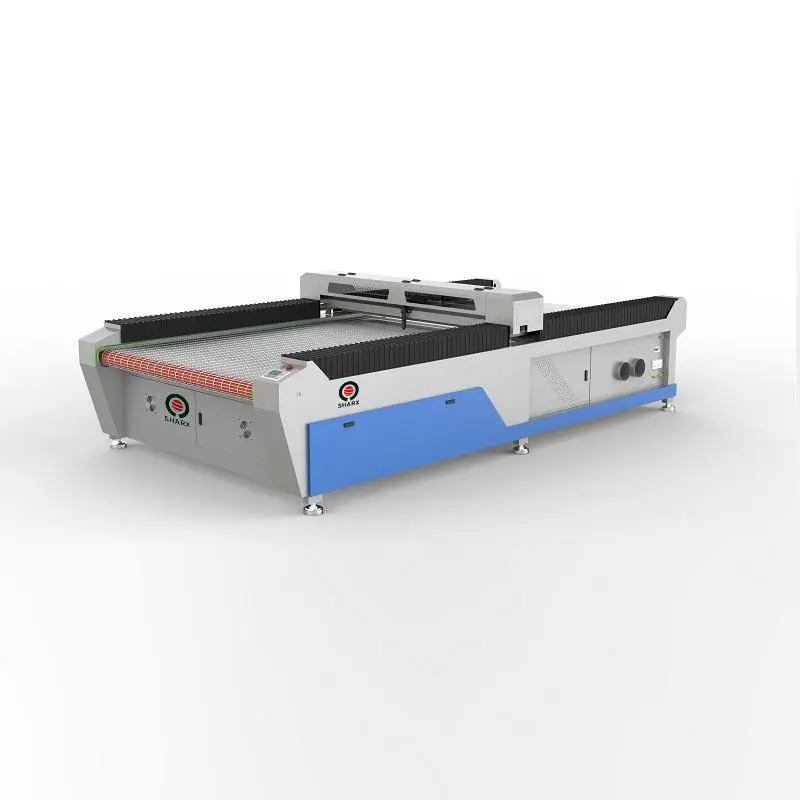


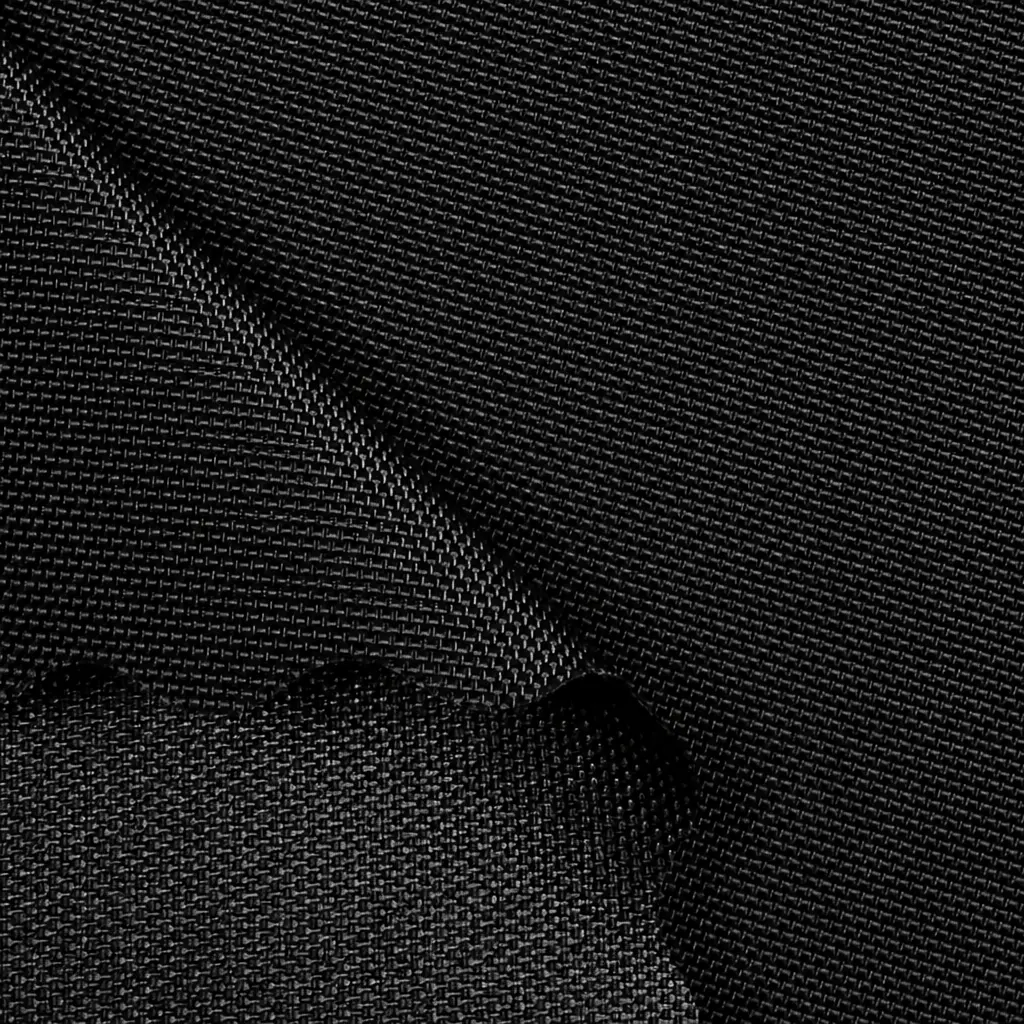


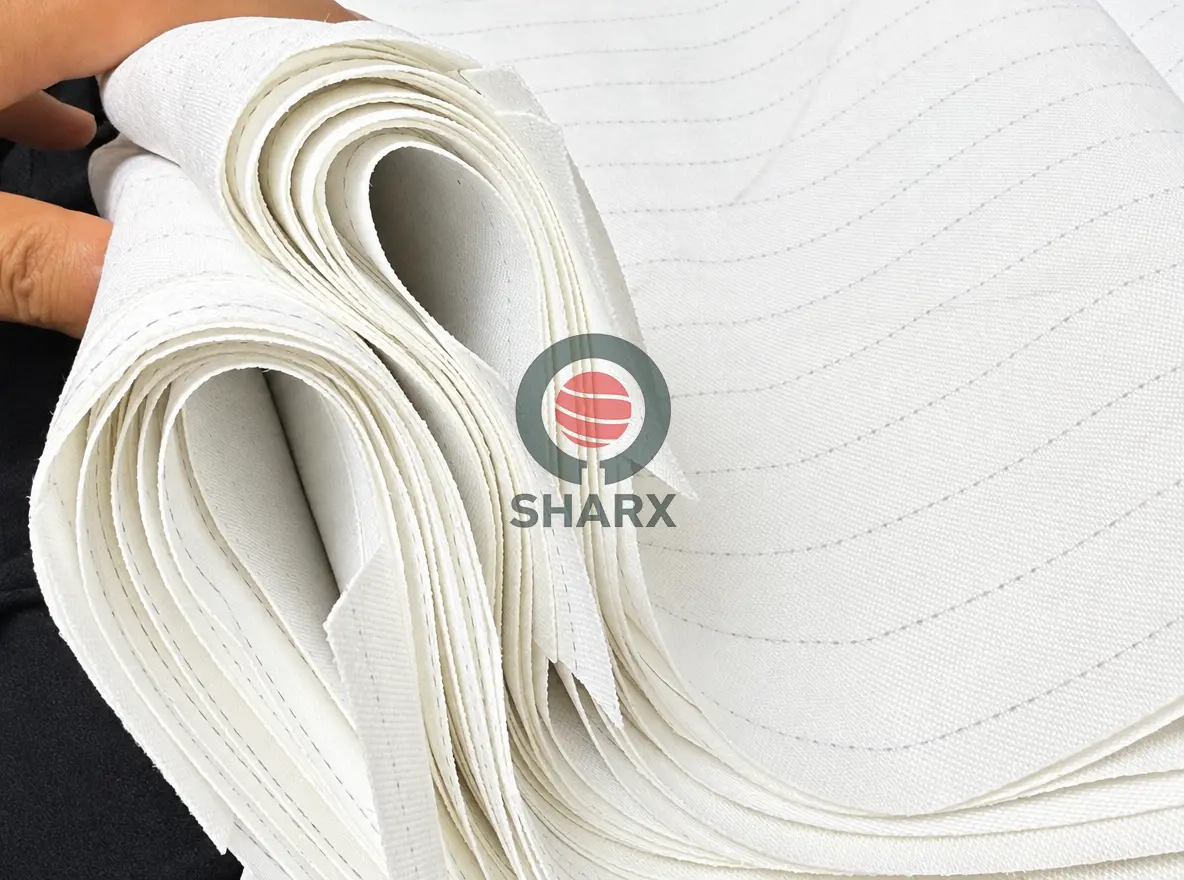
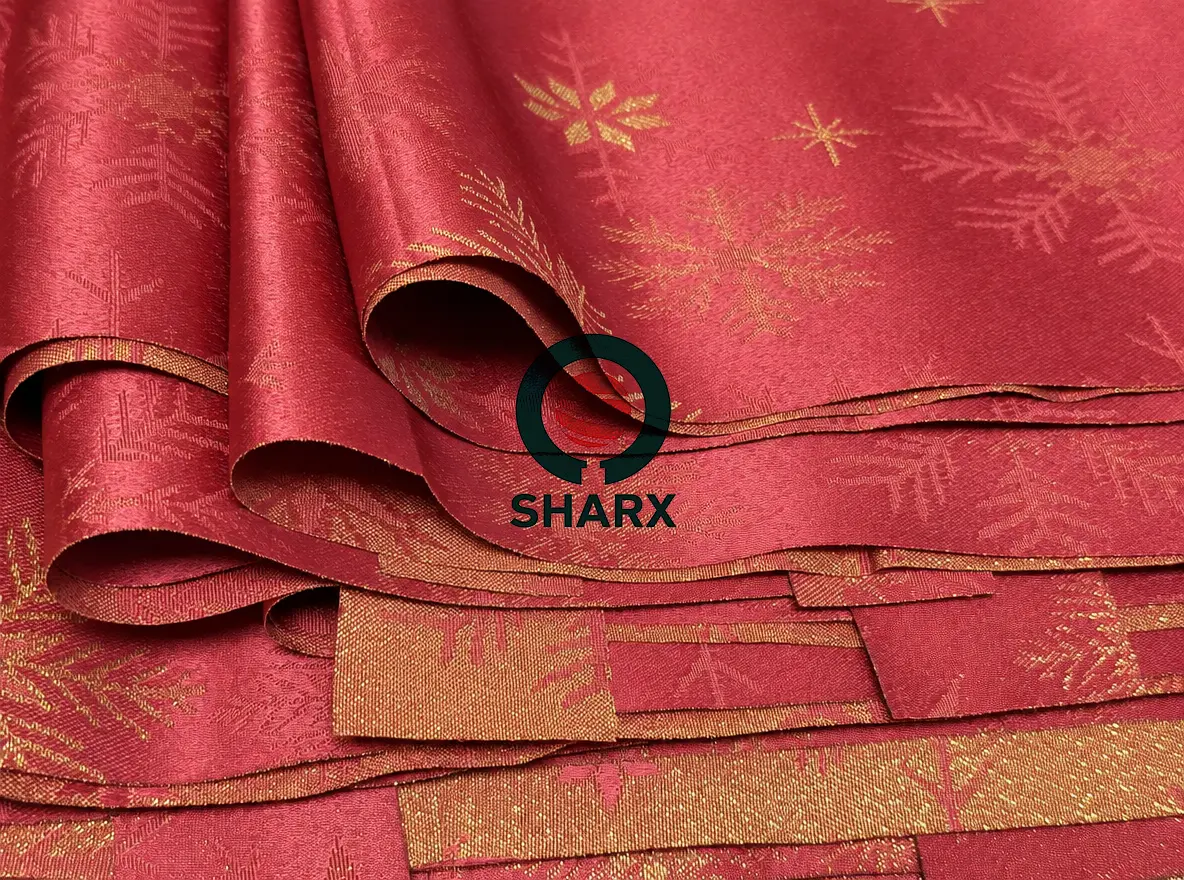
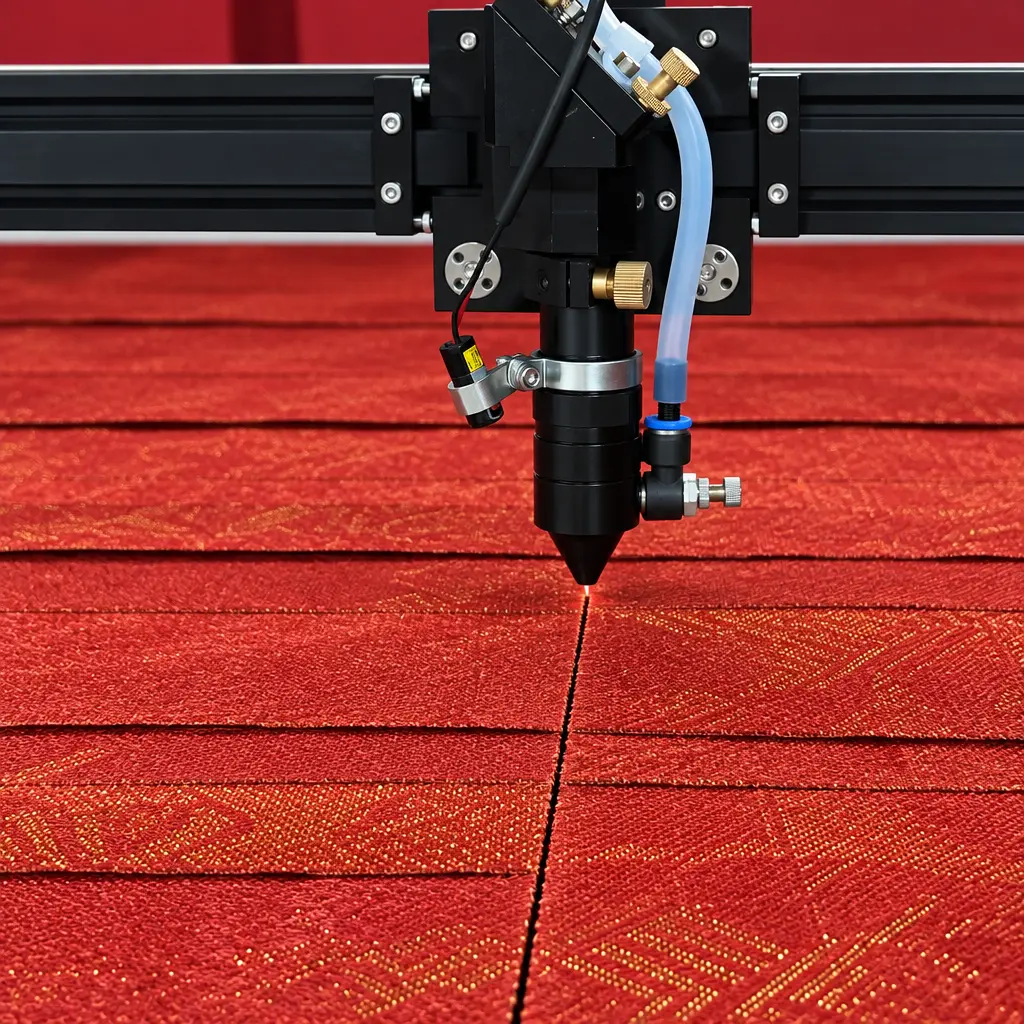

Automatic feeding CO₂ laser cutting for fabric rolls, sublimation textiles, and apparel production. Designed for continuous cutting with less manual handling.
An integrated fabric feeding system helps keep material moving smoothly into the cutting area, supporting efficient roll-to-piece production for sportswear, custom apparel, and textile printing businesses.
1600×3000 mm
80–150W Optional
CO₂ Laser
Sportswear, T-shirts, jerseys, fashion apparel, and printed fabrics.
Laser cutting helps seal the edges of suitable synthetic fabrics, reducing fraying and minimizing additional finishing.
A practical cutting area for garment panels, textile patterns and a wide range of fabric processing tasks.
Cut intricate contours, decorative patterns and detailed textile components from digital design files.
Prepare cutting patterns digitally and process designs through the machine’s compatible control software.
Review standard equipment, technical details and available upgrades for each model.
| Item | Standard |
|---|---|
| Working Area | 1600 × 3000 mm |
| Laser Source | Sealed CO₂ Glass Laser Tube, Optional Laser brands are RECI,YONGLI,EFR |
| Laser Power | 80W / 100W / 130W / 150W |
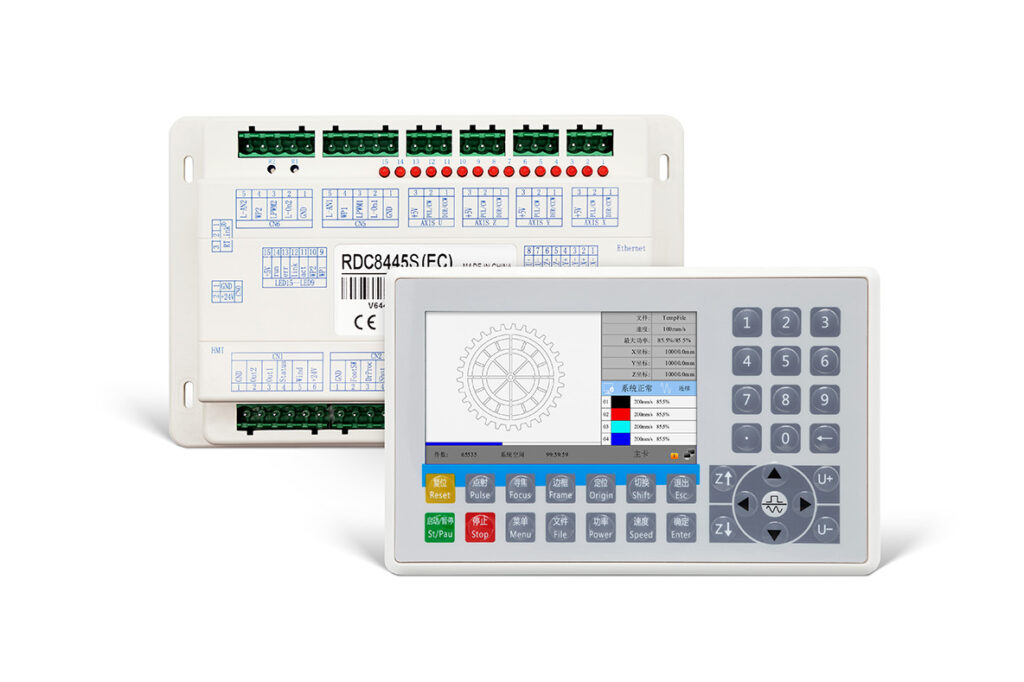
| Control System | Ruida RDC6445G,RDC8445S Optional |
| Drive System | Stepper Motor |
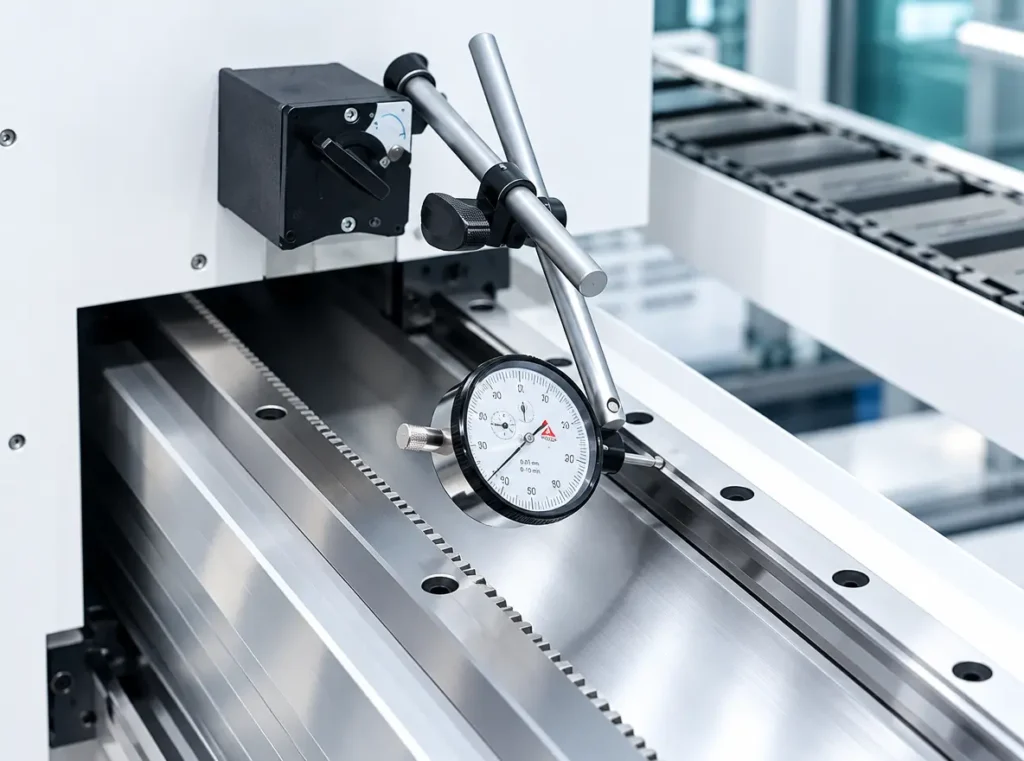
| Guide Rail | Linear Guide Rails |
| Working Table | Auto-feeding table made of metal mesh |
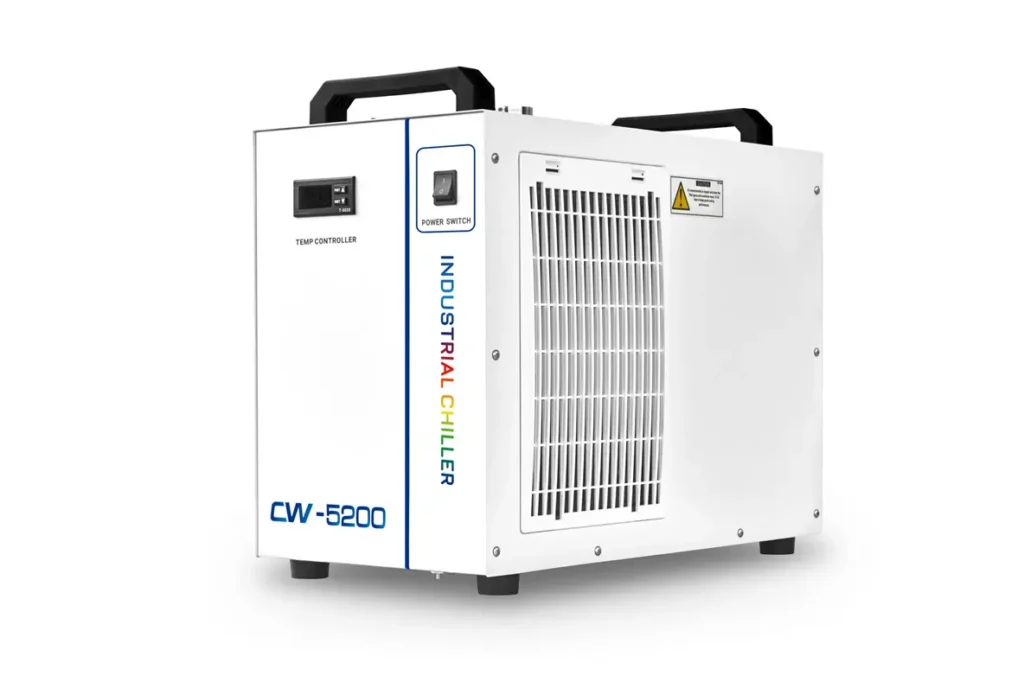
| Cooling System | Industrial Water Chiller |
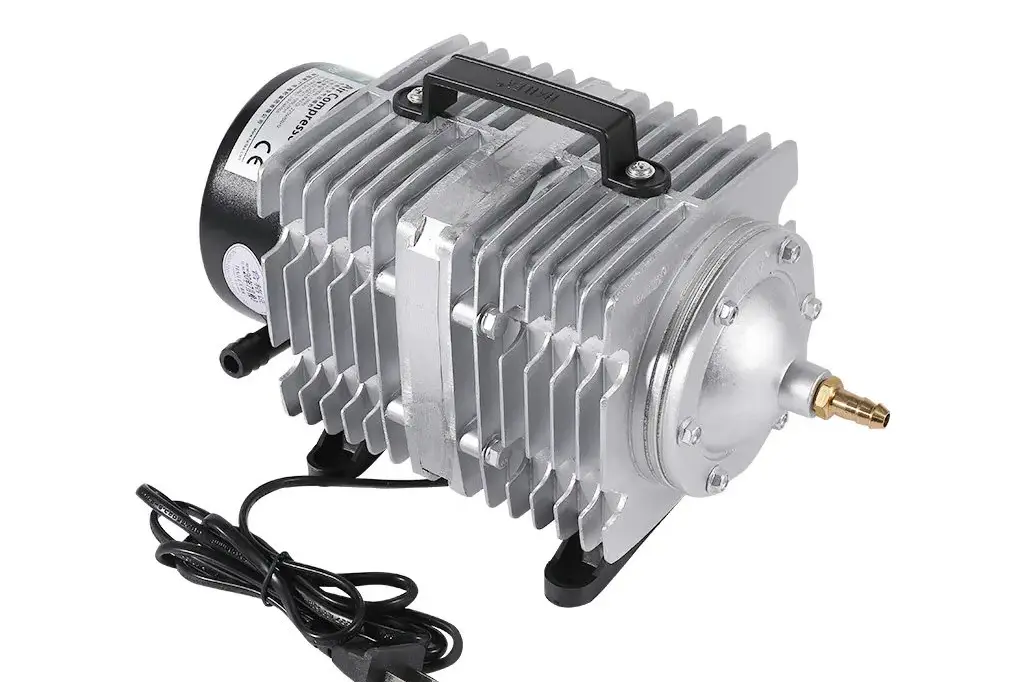
| Air Assist | Air Compressor |
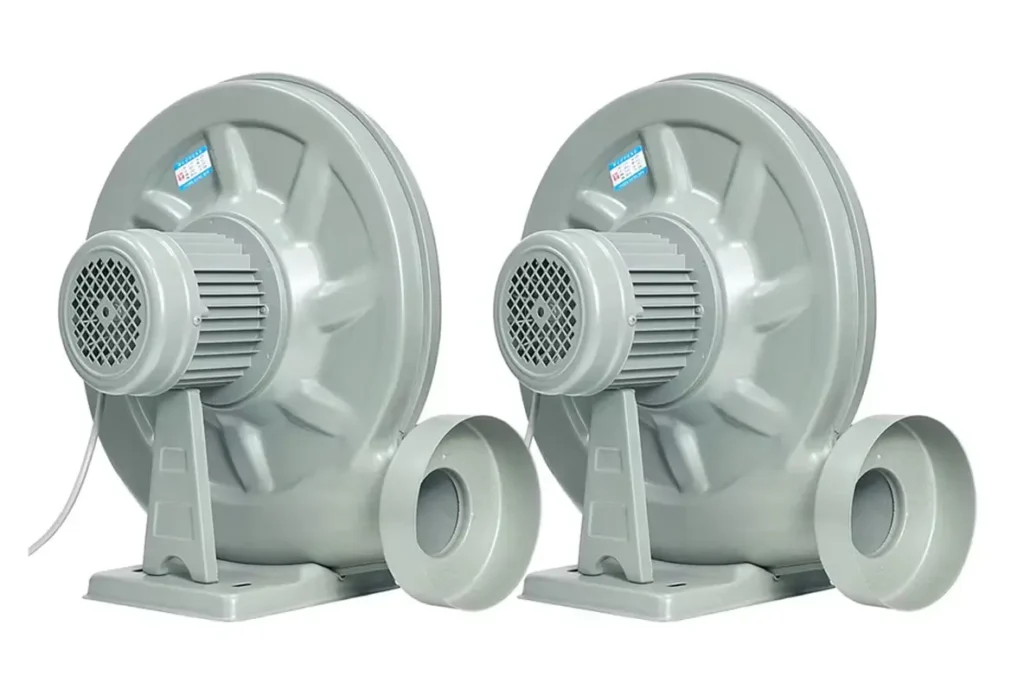
| Exhaust | Exhaust Fan |
| Positioning | Red Dot Pointer |
| Safety | Water Flow Protection + Door Interlock |
| Communication | USB / Ethernet |
| Technical Parameter | Specification |
|---|---|
| Model | SHARX CC630A |
| Working Area | 1600 × 3000 mm |
| Laser Type | CO₂ |
| Laser Wavelength | 10.6 μm |
| Laser Power | 80W / 100W / 130W / 150W |
| Maximum Engraving Speed | 600 mm/s* |
| Maximum Cutting Speed | 600 mm/s* |
| Positioning Accuracy | ≤ ±0.01 mm* |
| Resolution | 0.01 mm* |
| Minimum Character Size | 1 × 1 mm* |
| Drive System | Stepper Motor |
| Transmission | Belt Drive |
| Guide Rail | Linear Guide Rails |
| Control System | Ruida |
| Cooling System | Water Cooling |
| Working Voltage | AC 220V ±10%, 50/60Hz,110v is optional |
| Operating Temperature | 0–45°C |
| Operating Humidity | 5–95%, non-condensing |
| Supported Formats | AI, DXF, PLT, BMP, JPG, PNG, DST, etc. |
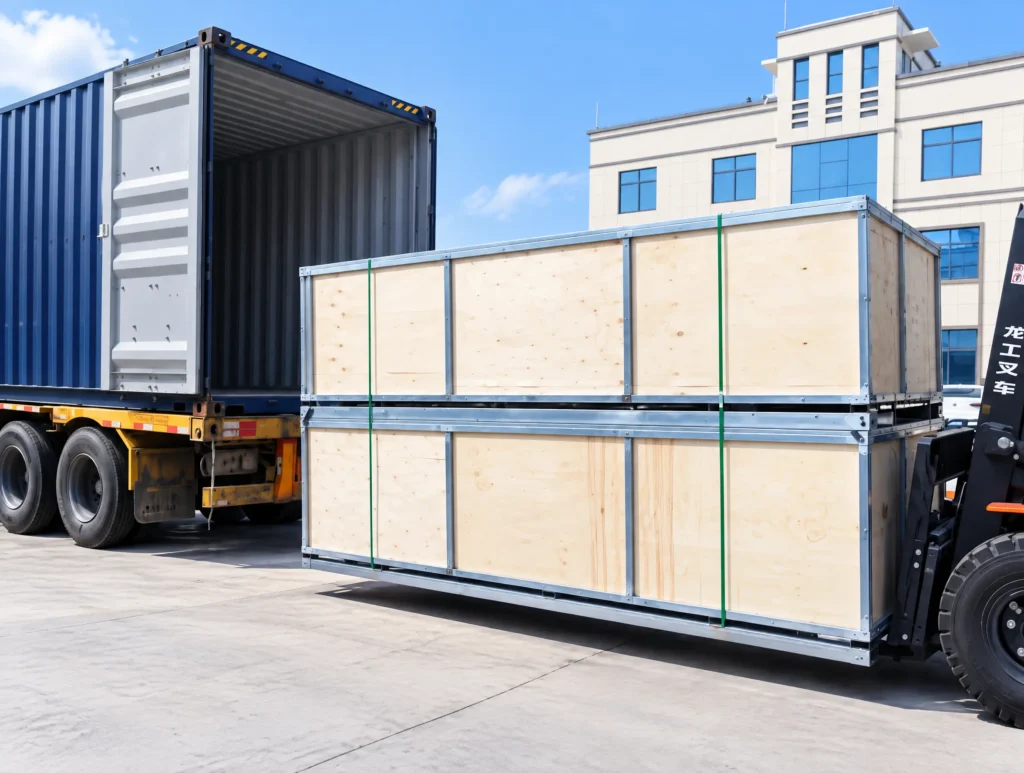
Packaging → Shipping → Delivery
Sea freight
LCL / FCL
DAP / DDP available
12-24 months warranty
Parts coverage
Warranty terms
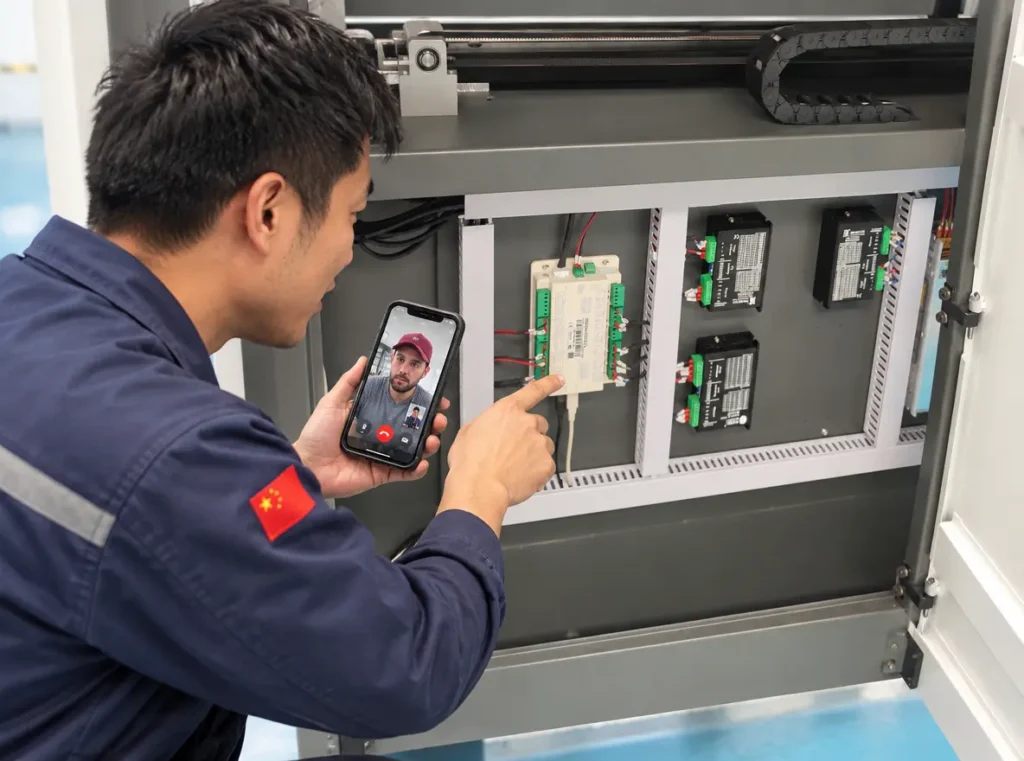
Remote installation
Training
Troubleshooting
Spare parts
Answer:
A CO₂ laser cutting machine can process many types of fabric, including polyester, nylon, cotton, linen, felt, lace, mesh, and non-woven textiles. Suitability depends on the material composition, thickness, weave, and required edge quality. We recommend testing your actual fabric before confirming the machine configuration.
Answer:
Laser cutting can seal the edges of many synthetic fabrics, such as polyester, helping reduce fraying. Natural fabrics such as cotton and linen do not melt in the same way and may still fray or show some edge discoloration. Results depend on the fabric and cutting parameters.
Answer:
Yes. A standard laser cutting system can cut fabric using digital cutting files. For printed sublimation fabric that requires cutting along printed contours, a compatible vision camera system may be needed to recognize the patterns and align the cutting path. The appropriate solution depends on your printing and production workflow.
Answer:
Some fabrics may develop dark edges, yellowing, or smoke marks if excessive heat builds up during cutting. Appropriate power and speed settings, correct focus, effective fume extraction, and material testing can help reduce these effects. We recommend testing light-colored and heat-sensitive fabrics before production.
Answer:
Choose the working area according to your maximum fabric width, pattern dimensions, and production requirements. A larger working area accommodates larger patterns, but the usable cutting area should be confirmed for each model. If you need to process fabric rolls continuously, consider whether an automatic feeding system is suitable for your workflow.
Answer:
A vision camera is useful when cutting printed patterns, sublimation textiles, or irregular outlines that need to be recognized and aligned. An automatic feeding system is useful when processing fabric rolls or handling repeated production runs. These are different functions and may be selected according to your application; neither should be assumed to be standard on every model.
Answer:
The appropriate laser power depends on fabric composition, thickness, cutting speed, edge-quality requirements, and production volume. Higher power does not automatically guarantee better cutting quality. Tell us your fabric type, thickness, desired cutting speed, and production requirements so we can recommend a suitable configuration.
Answer:
Yes. One machine can process multiple compatible fabrics and cutting patterns, provided its working area and configuration meet your requirements. Different materials may require different cutting parameters. For specialized textiles or demanding edge-quality requirements, sample testing is recommended before production.
Answer:
Please provide your fabric type and thickness, maximum cutting dimensions, required production output, and whether you need camera recognition or automatic feeding. Your destination country and city are also important for estimating shipping costs. Sample photos, cutting files, and your target application help us recommend a suitable configuration.
Answer:
Please send us details of your fabric, its thickness, and the shapes or patterns you need to cut. Where sample testing is available, we can evaluate cutting quality and help determine suitable machine settings. Any testing arrangements, sample shipment costs, and available test results can be confirmed before proceeding.
Answer:
The quotation will specify the selected machine model, working area, standard configuration, and any included accessories. Optional items, such as vision cameras, automatic feeding systems, exhaust equipment, or other upgrades, should be identified separately. Please review the written quotation and configuration list before confirming your order.
Answer:
Production and shipping times depend on the machine configuration, current production schedule, destination, and shipping method. We will confirm the estimated production lead time and shipping arrangement in the quotation or order confirmation. Customs clearance and final delivery may also affect the overall arrival date.
Answer:
Requirements depend on the specific model and configuration. Before installation, confirm the machine dimensions, electrical supply, ventilation and fume extraction requirements, cooling arrangements, and access for unloading and moving the equipment. We recommend checking the installation requirements before preparing your workspace.
Answer:
We can provide operating instructions and technical guidance appropriate to the confirmed machine configuration. The available training format, such as remote guidance or other agreed support, should be confirmed before ordering. Operators should be trained in machine operation, material handling, ventilation, and laser safety before production.
Answer:
Regular maintenance includes inspecting and cleaning optical components according to the manufacturer’s instructions, checking the beam path when required, keeping the work area clean, inspecting the motion system, and maintaining the cooling and exhaust systems. Following the recommended maintenance schedule helps maintain cutting quality and reduce unexpected downtime.
Answer:
Warranty coverage and duration depend on the agreed order terms and the components supplied. Before ordering, we will confirm the applicable warranty period, covered components, exclusions, and the procedure for requesting service. Please refer to the written warranty terms provided with your quotation or order.
Answer:
Contact our technical support team and provide the machine model, a description of the issue, photos or videos, and any relevant alarm messages. This information helps us assess the problem and guide you through the next troubleshooting steps. If replacement parts or further technical assistance are needed, the appropriate solution will depend on the diagnosis and applicable warranty terms.
Answer:
Yes, you can contact us for spare parts and technical support after the warranty period. Parts availability, pricing, shipping arrangements, and any applicable service charges will be confirmed according to your machine configuration and the issue involved. We recommend keeping the machine model, serial number, and maintenance records available when requesting support.
Please leave your message, such as: Material │ Thickness │ Size │ Country?
Tell us what you are cutting, and we’ll recommend a suitable solution.